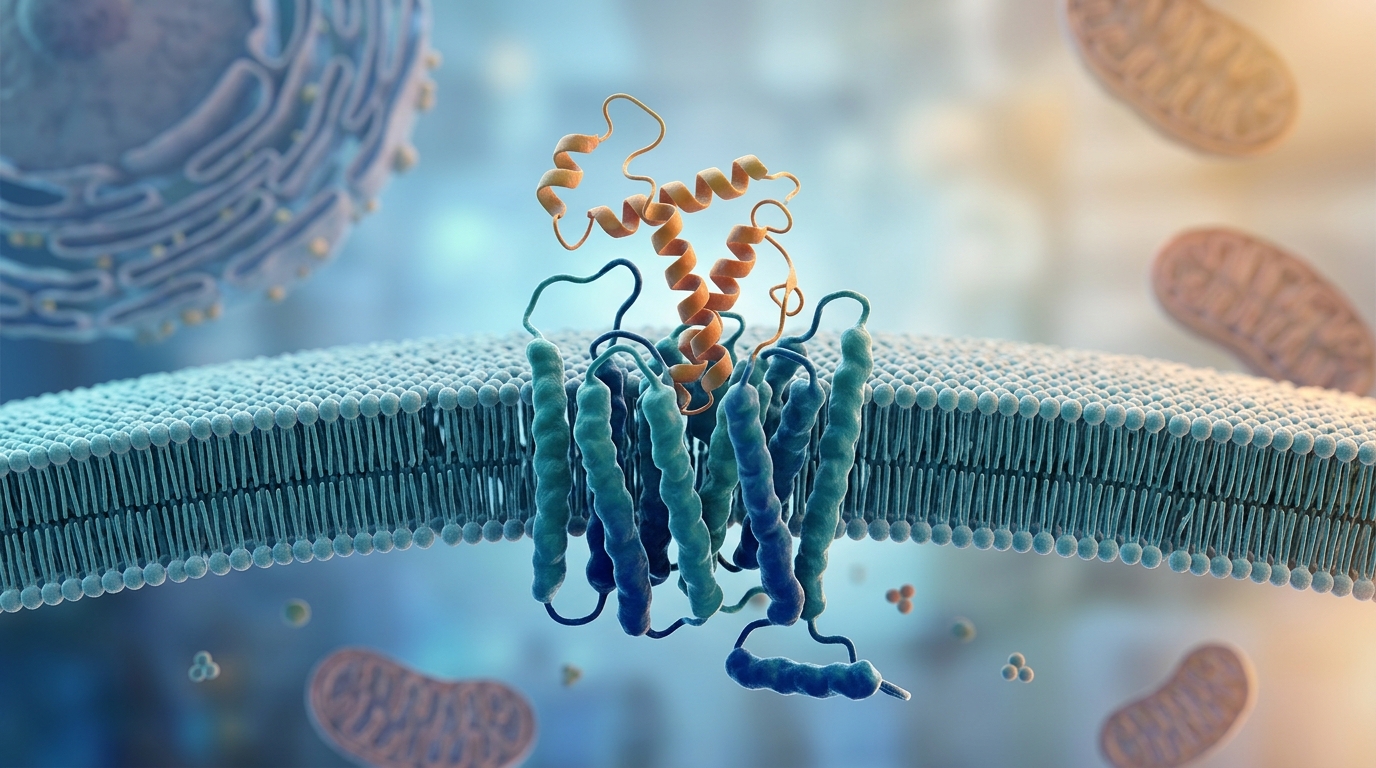
Sermorelin (GHRH 1-29 acetate) is a truncated synthetic peptide analogue of growth hormone-releasing hormone that selectively stimulates the anterior pituitary gland to restore physiological, pulsatile human growth hormone (hGH) secretion while maintaining intact somatostatinergic negative feedback loops.
This conclusion is supported by three primary pillars of scientific and clinical evidence:
- Targeted Pituitary Receptor Binding and Preserved Negative Feedback: Sermorelin binds specifically to the pituitary GHRH receptor, initiating physiological intracellular signaling cascades without overriding natural somatostatin inhibition, which prevents the supraphysiological spikes seen with direct growth hormone administration.
- Established Human Clinical Efficacy in Somatotrophic Axis Activation: Extensive human clinical trials demonstrate Sermorelin’s capacity to normalize growth velocity in pediatric growth hormone deficiency and restore circulating IGF-1 concentrations in adult populations.
- Translational Research into Metabolic, Sleep, and Tissue-Protective Outcomes: Human, animal, and in-vitro investigations indicate that Sermorelin modulates body composition, supports deep slow-wave sleep architecture, and exerts direct cardioprotective and wound-healing effects.
1. Targeted Pituitary Receptor Binding and Preserved Negative Feedback
Sermorelin represents the shortest functional fragment (amino acids 1–29) of endogenous 44-amino-acid growth hormone-releasing hormone (GHRH). It retains full receptor-binding affinity and biological activity at the pituitary somatotroph.
Molecular Mechanism of Action (In-Vitro & Pharmacological Evidence)
In-vitro assays on isolated pituitary somatotrophs demonstrate that Sermorelin binds specifically to the GHRH receptor (a G-protein-coupled receptor). This activation stimulates the Gs alpha subunit, driving adenylyl cyclase activity and increasing intracellular cyclic adenosine monophosphate (cAMP). Downstream, cAMP activates protein kinase A (PKA), which phosphorylates transcription factor CREB (cAMP response element-binding protein), stimulating GH1 gene transcription and promoting voltage-gated calcium influx to trigger exocytosis of stored growth hormone granules.
Preservation of Endogenous Feedback Loops (Human Clinical Evidence)
Unlike exogenous recombinant human growth hormone (rhGH), which floods systemic circulation regardless of physiological demand, Sermorelin operates upstream. Human pharmacokinetic and pharmacodynamic trials show that when serum GH and IGF-1 levels rise, endogenous somatostatin (growth hormone-inhibiting hormone) release from the periventricular nucleus of the hypothalamus remains capable of blunting pituitary responsiveness to Sermorelin. Consequently, the peptide does not induce tachyphylaxis or excessive supraphysiological hormone spikes, drastically minimizing risks of acromegalic-like complications or prolonged receptor downregulation.
2. Established Human Clinical Efficacy in Somatotrophic Axis Activation
The clinical utility of Sermorelin has been validated through extensive multi-phase human clinical trials evaluating its dynamic diagnostic power and chronic therapeutic potential.
Idiopathic Pediatric Growth Hormone Deficiency (Human Clinical Evidence)
Multi-center Phase III clinical trials in prepubertal children with idiopathic growth hormone deficiency demonstrated that daily subcutaneous administration of Sermorelin (30 mcg/kg/day) produced statistically significant increases in height velocity (averaging an increase of over 4 to 5 cm/year above baseline). Long-term surveillance verified sustained linear growth with a high safety profile, culminating in historical regulatory approval by the US FDA for this indication before recombinant manufacturing shifts occurred.
Adult Pituitary Hypofunction and Aging Models (Human Clinical Evidence)
In clinical trials involving elderly and GH-deficient adult subjects, nightly administration of Sermorelin resulted in robust increases in mean 24-hour GH area under the curve (AUC) and returned circulating insulin-like growth factor 1 (IGF-1) concentrations to the normal range for healthy young adults. Unlike direct rhGH therapy, which frequently induces severe fluid retention, peripheral edema, and insulin resistance, Sermorelin treatment demonstrated a significantly lower incidence of adverse hemodynamic and metabolic side effects.
3. Translational Research into Metabolic, Sleep, and Tissue-Protective Outcomes
Beyond endocrine normalization, research across human trials, animal models, and cell cultures highlights Sermorelin’s broader systemic impact on tissue regeneration, metabolic regulation, and central nervous system dynamics.
Body Composition and Metabolic Parameters (Human Clinical & Animal Evidence)
Clinical studies in older men and women show that elevating endogenous GH and IGF-1 via Sermorelin improves lean muscle mass accretion, enhances nitrogen retention, and stimulates lipolysis, particularly the reduction of visceral adipose depots. In rodent models of metabolic syndrome, GHRH agonists have been observed to enhance lipid clearance, reduce hepatic steatosis, and maintain insulin sensitivity far more effectively than continuous exogenous rhGH regimens.
Sleep Architecture Modulation (Human Clinical Evidence)
Because endogenous GHRH plays a central role in sleep regulation, human clinical studies evaluating GHRH analogues like Sermorelin demonstrate that evening administration increases non-REM slow-wave sleep (Stage 3/4) and enhances sleep-associated nocturnal GH pulses. This improvement in restorative sleep architecture correlates with reported enhancements in cognitive function, daytime alertness, and perceived recovery.
Cardioprotective and Wound Healing Signaling (In-Vitro & Animal Evidence)
Emerging research reveals extra-pituitary actions mediated by local GHRH receptors:
- Myocardial Repair (Animal Evidence): In murine and swine models of acute myocardial infarction, GHRH agonists including truncated derivatives promoted reverse cardiac remodeling, reduced infarct scar size, and enhanced left ventricular ejection fraction by stimulating local progenitor cells and inhibiting myocyte apoptosis.
- Tissue Repair and Angiogenesis (In-Vitro Evidence): Cell culture studies on human dermal fibroblasts and endothelial cells show that GHRH receptor activation accelerates cell migration, collagen synthesis, and vascular endothelial growth factor (VEGF) secretion.
Distinguishing Hypotheses vs. Anecdotal Claims
While wellness clinics and anecdotal user reports frequently claim Sermorelin acts as a comprehensive “anti-aging panacea” capable of reversing biological age, direct scientific evidence for life extension remains purely hypothetical. Current evidence firmly establishes Sermorelin as a selective secretagogue that restores physiological somatotrophic tone, improves physical body composition, and supports regenerative tissue repair, while broader lifespan claims remain unverified in controlled long-term human studies.