Core Conclusion
While BPC-157 exhibits potent cytoprotective, angiogenic, and regenerative properties across diverse preclinical models, it remains an unapproved investigational peptide whose efficacy, optimal dosing, and safety profile have not been established in robust, large-scale human clinical trials.
Key Pillars of BPC-157 Research
- Pillar 1: Robust Gastrointestinal Cytoprotection Across Preclinical Models. BPC-157 protects and repairs mucosal lining against ischemic, chemical, and NSAID-induced injury in laboratory animals.
- Pillar 2: Accelerated Musculoskeletal and Vascular Regeneration via Specific Molecular Pathways. In-vitro and animal studies show enhanced fibroblast migration, organized collagen deposition, and upregulation of angiogenic growth factor pathways (such as VEGF and FAK-paxillin).
- Pillar 3: A Substantial Translational Gap Between Preclinical Findings and Human Evidence. Widespread online claims and anecdotal reports sharply contrast with the minimal peer-reviewed human clinical trial data currently available.
Detailed Evidence by Supporting Reason
1. Preclinical Gastrointestinal Cytoprotection
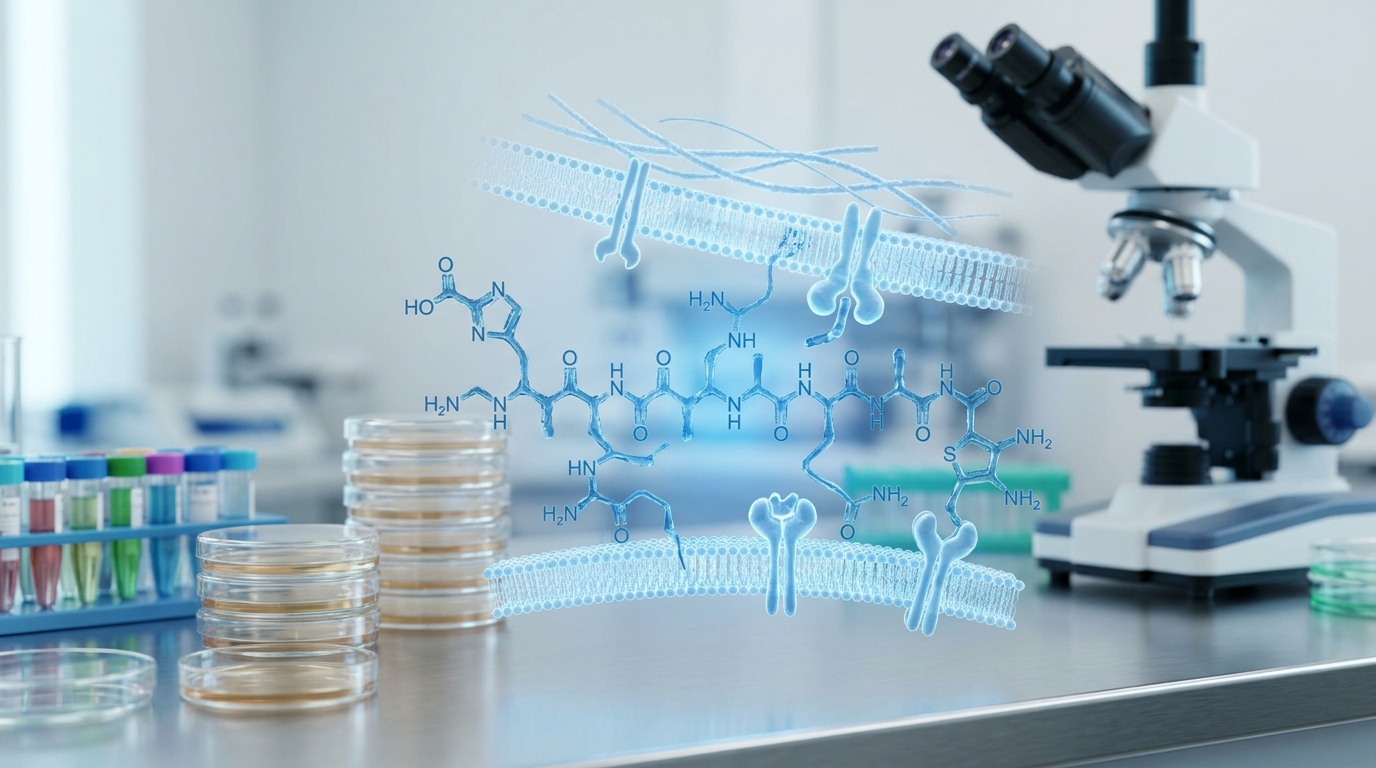
Body Protection Compound-157 (BPC-157) is a synthetic 15-amino-acid peptide derived from a naturally occurring protective peptide fragment found in human gastric juice. Most research into its primary biological action focuses on the gastrointestinal (GI) tract.
- Animal Evidence: Numerous rodent studies (primarily published by researchers at the University of Zagreb) demonstrate that systemic or oral administration of BPC-157 counteracts gastric ulcers induced by ethanol, indomethacin, and stress. In rat models of inflammatory bowel disease (IBD) and toxic colitis (e.g., trinitrobenzene sulfonic acid or DSS-induced colitis), BPC-157 administration significantly reduced lesion area, lowered macroscopic damage scores, and attenuated systemic inflammatory markers. Additionally, rodent studies show accelerated healing of intestinal anastomoses and prevention of esophageal reflux lesions.
- In-Vitro Evidence: In cell culture models, BPC-157 stabilizes endothelial cell integrity and reduces cellular oxidative stress induced by toxic insults, supporting mucosal epithelial defense.
- Hypothesis: Researchers hypothesize that BPC-157 modulates the endogenous nitric oxide (NO) system and maintains mucosal blood flow to sustain GI microvascular integrity during acute damage.
2. Musculoskeletal Healing and Angiogenesis
Beyond the GI tract, BPC-157 has gained significant scientific interest for its capacity to accelerate the healing of connective tissue, including tendons, ligaments, bone, and skeletal muscle.
- Animal Evidence: In transected Achilles tendon and medial collateral ligament (MCL) rat models, local or systemic administration of BPC-157 resulted in faster functional recovery, superior biomechanical load-bearing capacity, and histological organization compared to controls. Muscle crush injury models also demonstrated reduced functional deficit and decreased fibrosis with BPC-157 treatment.
- In-Vitro Evidence: Cultured tendon explants and fibroblast cell lines exposed to BPC-157 show increased cellular outgrowth, survival under oxidative stress, and enhanced phosphorylation of focal adhesion kinase (FAK) and paxillin. In vascular endothelial cell cultures, BPC-157 induces tube formation and upregulates early growth response protein-1 (Egr-1) and vascular endothelial growth factor receptor 2 (VEGFR2).
- Hypothesis: The accelerated healing response is hypothesized to rely on a dual mechanism: activating localized angiogenesis (new capillary formation) while simultaneously stimulating fibroblast migration and collagen type I synthesis.
3. Translational Status, Human Clinical Evidence, and Safety Gaps
Despite significant interest in athletic and biohacking communities, the clinical status of BPC-157 requires careful distinction between empirical human data and uncontrolled claims.
- Human Clinical Evidence: Only limited, early-phase human clinical trials have evaluated BPC-157. A Phase I trial assessed safety and tolerability in healthy volunteers, and early exploratory Phase II work evaluated its use for knee pain/osteoarthritis and interstitial cystitis. However, comprehensive, peer-reviewed, phase III randomized controlled trials (RCTs) verifying efficacy, long-term safety, and definitive pharmacokinetics are currently absent from published medical literature.
- Anecdotal Claims: Widespread claims regarding rapid recovery from sports injuries, systemic tendon healing, and self-administration protocols originate almost entirely from unverified user reports on fitness and biohacking forums rather than controlled clinical studies.
- Regulatory and Doping Status: The World Anti-Doping Agency (WADA) classifies BPC-157 as a prohibited substance under Section S0 (Non-approved Substances). The U.S. FDA has placed BPC-157 on the category list restricting it from bulk compounding due to inadequate safety and clinical validation data.