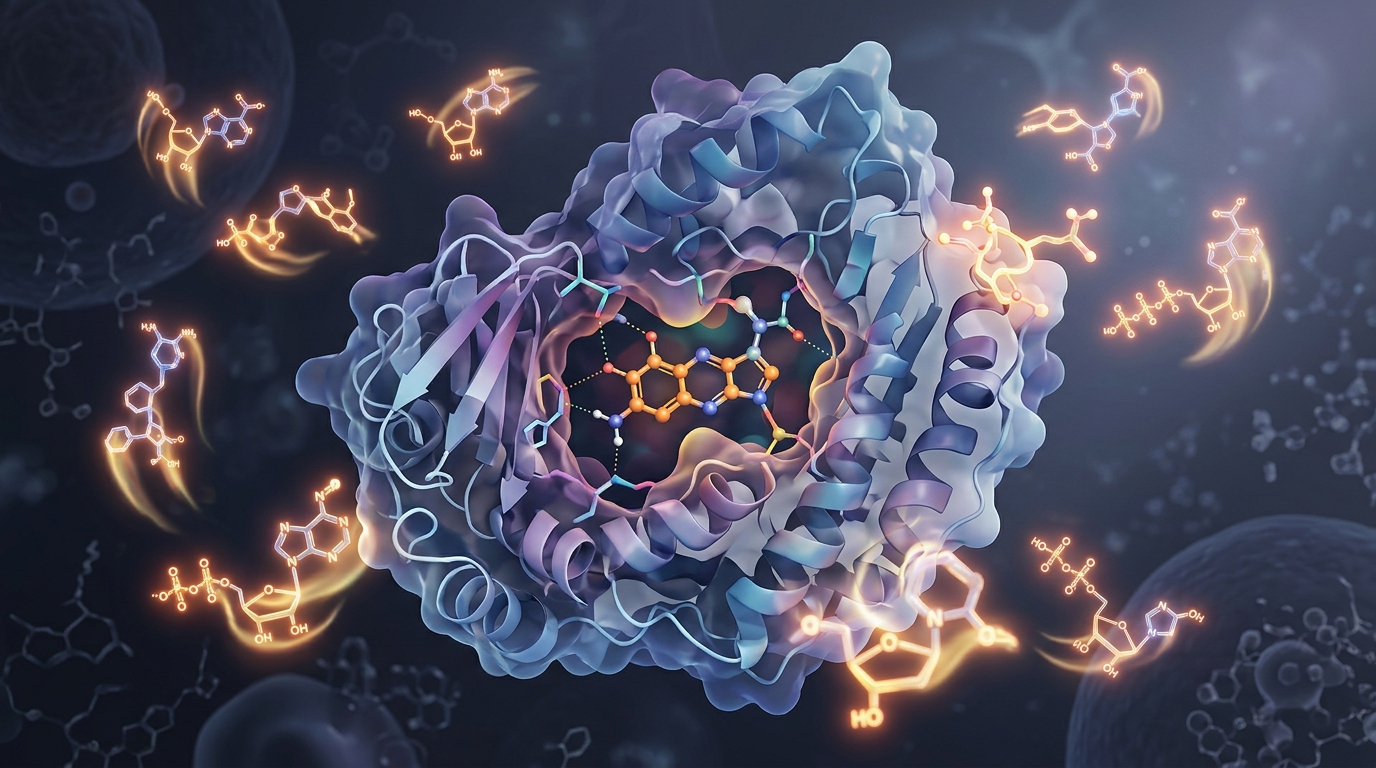
Primary Conclusion: 5-Amino-1MQ is a potent, selective small-molecule inhibitor of nicotinamide N-methyltransferase (NNMT) that enhances intracellular NAD+ availability, accelerates myofiber repair, and drives fat mass reduction in preclinical models, though robust human clinical trial data is currently absent.
Executive Summary: Core Supporting Pillars
- Metabolic Rate Elevation and Adiposity Reduction: NNMT inhibition prevents the degradation of nicotinamide, boosting NAD+ and SAM levels to increase basal energy expenditure without suppressing appetite.
- Skeletal Muscle Rejuvenation and Stem Cell Activation: Blocking NNMT revives quiescent muscle stem cells (satellite cells) and enhances structural force production in aged and injured myofibers.
- Epigenetic Reprogramming and S-Adenosylmethionine (SAM) Regulation: Attenuating NNMT expression preserves methyl donors, normalizing histone methylation patterns linked to chronic metabolic stress.
Pillar 1: Metabolic Rate Elevation and Adiposity Reduction
Nicotinamide N-methyltransferase (NNMT) transfers a methyl group from S-adenosylmethionine (SAM) to nicotinamide (NAM), generating 1-methylnicotinamide (1-MNA). By inhibiting NNMT with 5-Amino-1MQ, cells divert NAM into the NAD+ salvage pathway, elevating critical metabolic cofactors.
Evidence Breakdown:
- Animal Evidence: In diet-induced obese (DIO) mice treated with 5-Amino-1MQ (20 mg/kg/day over 11 days), researchers observed a 7% reduction in body weight and a 30% reduction in white adipose tissue mass without changes in caloric intake. Treated rodents showed increased basal oxygen consumption (VO2) and lower circulating total cholesterol.
- In-Vitro Evidence: Murine and human-derived adipocyte cell cultures exposed to 5-Amino-1MQ display increased intracellular concentrations of NAD+, higher NAD+/NADH ratios, and elevated SIRT1 expression, indicating upregulation of cellular respiration and lipid oxidation.
- Human Clinical Evidence: None published to date. No peer-reviewed randomized controlled trials (RCTs) currently assess oral or subcutaneous 5-Amino-1MQ in human subjects for obesity or weight loss.
- Hypothesis: Researchers hypothesize that human metabolic phenotypes with elevated adipose NNMT expression may experience similar lipid-mobilizing effects without stimulant-driven cardiovascular side effects.
- Anecdotal Claims: Research community reports describe accelerated body fat reduction and elevated core temperature, though these claims lack standardized validation and objective controls.
Pillar 2: Skeletal Muscle Rejuvenation and Stem Cell Activation
Aged skeletal muscle often exhibits heightened NNMT expression, which depletes NAD+ and stalls the regenerative capacity of resident satellite cells. 5-Amino-1MQ restores metabolic flux in myogenic precursors.
Evidence Breakdown:
- Animal Evidence: In models of aged mice (24–28 months old) and acute muscle injury (cardiotoxin-induced), systemic administration of 5-Amino-1MQ significantly increased myofiber cross-sectional area by over 30% and restored maximal tetanic contractile force compared to vehicle controls.
- In-Vitro Evidence: In isolated senescent muscle progenitor cells, 5-Amino-1MQ treatment rescued cell-cycle arrest, enhanced myoblast proliferation, and promoted fusion into multinucleated myotubes through enhanced mitochondrial ATP synthesis.
- Human Clinical Evidence: None published to date. No human trials have evaluated muscle protein synthesis, sarcopenia mitigation, or athletic performance endpoints.
- Hypothesis: NNMT-mediated NAD+ restoration may serve as an effective therapeutic target for age-related sarcopenia, cachexia, and acute muscular trauma in human patients.
- Anecdotal Claims: Informal bodybuilding and biohacking sources report enhanced recovery between resistance training sessions and preservation of lean mass during caloric deficits; such reports remain unverified.
Pillar 3: Epigenetic Reprogramming and SAM/SAH Regulation
NNMT functions as a primary sink for methyl groups in human cells. Excess NNMT activity depresses the SAM/SAH ratio, leading to aberrant DNA and histone hypomethylation associated with metabolic syndrome and certain malignancies.
Evidence Breakdown:
- In-Vitro Evidence: Structural assay and mass spectrometry data confirm that 5-Amino-1MQ binds directly to the active substrate-binding pocket of NNMT, preventing methylation of NAM and conserving cellular SAM reserves. Cellular chromatin analyses reveal restoration of repressive histone marks (such as H3K4me3 and H3K27me3) in high-NNMT cell lines.
- Animal Evidence: Hepatic and adipose tissue assays from treated murine cohorts show stabilization of the SAM/SAH balance and downstream suppression of lipogenic transcription factors, including SREBP-1c and PPAR-gamma target genes.
- Human Clinical Evidence: None published to date. Observational human biomarker studies identify an association between high serum NNMT/1-MNA and insulin resistance, but interventional trials with 5-Amino-1MQ are absent.
- Hypothesis: Epigenetic stabilization via NNMT inhibition could potentially slow epigenetic aging clocks and mitigate vascular endothelial inflammation in humans.
- Anecdotal Claims: Reports suggesting systemic anti-aging benefits and mental clarity remain entirely speculative and lack clinical measurement.
Current Research Status and Safety Profile
5-Amino-1MQ is strictly an investigational research compound. Pharmacokinetic assessments in rodents demonstrate high membrane permeability and oral bioavailability. However, comprehensive human safety profiles, hepatic clearance dynamics, and long-term toxicology data have not yet been established in formal Phase I/II clinical trials.