Core Conclusion
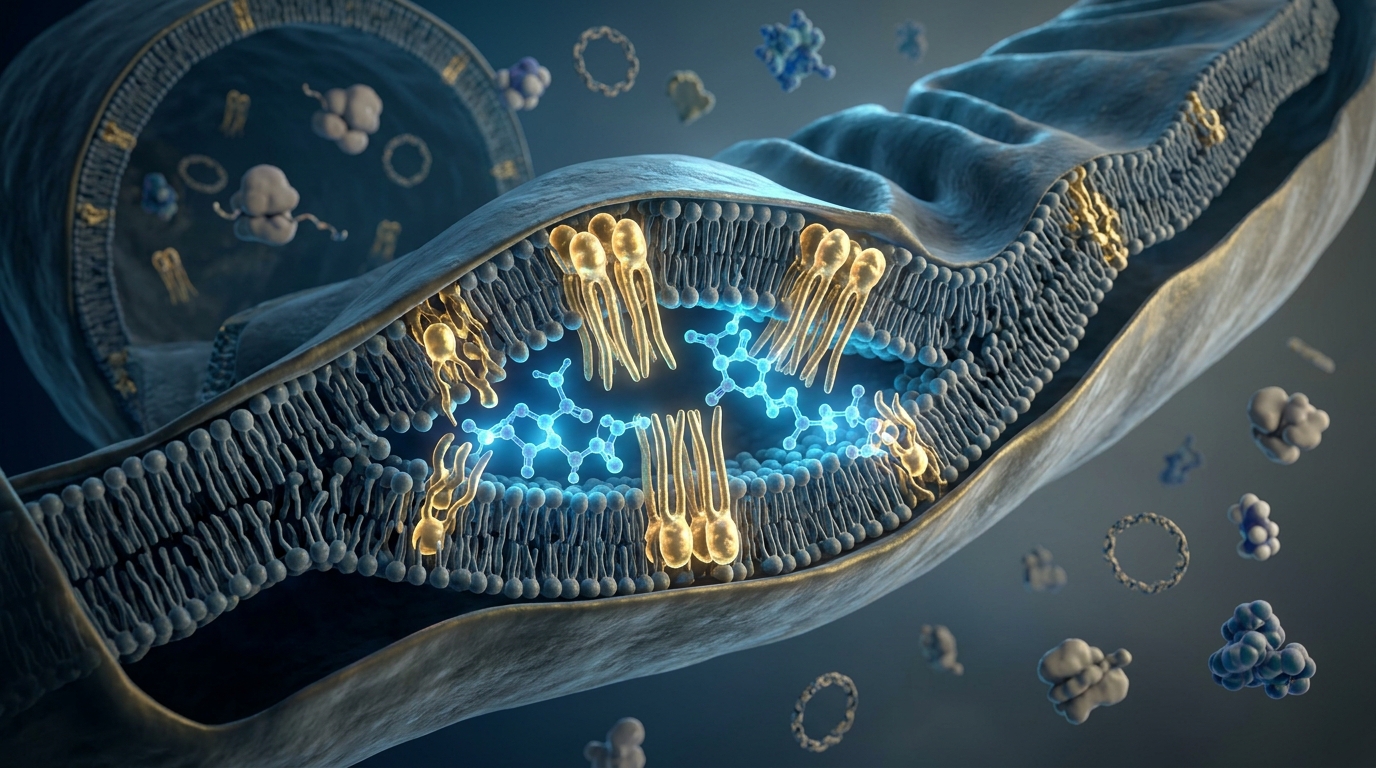
SS-31 (Elamipretide) is a mitochondria-targeted synthetic tetrapeptide that selectively binds to cardiolipin in the inner mitochondrial membrane, restoring bioenergetic function, stabilizing cristae architecture, and attenuating pathological oxidative stress across preclinical and specialized clinical models of mitochondrial dysfunction.
This conclusion is supported by three primary pillars of scientific evidence:
- Direct Cardiolipin Stabilization: Biophysical and in-vitro data demonstrate that SS-31 penetrates cellular membranes independently of membrane potential to selectively associate with cardiolipin, preserving cristae curvature and preventing electron leakage.
- Broad Preclinical Organoprotection: In-vivo animal studies confirm that SS-31 administration reverses age-related cardiac remodeling, protects against renal ischemia-reperfusion injury, and restores skeletal muscle bioenergetics.
- Targeted Human Clinical Translation: Human clinical trials have established a favorable safety profile and validated therapeutic benefits in specific genetic mitochondrial disorders such as Barth syndrome and primary mitochondrial myopathy, despite mixed outcomes in broad ischemic endpoints.
1. Direct Cardiolipin Stabilization and Mitochondrial Membrane Preservation
The primary molecular mechanism of SS-31 centers on its unique electrostatic and hydrophobic interactions with cardiolipin, a tetra-acyl phospholipid unique to the inner mitochondrial membrane (IMM).
In-Vitro and Biophysical Evidence
- Selective Binding Kinetics: Solid-state NMR and isothermal titration calorimetry show that SS-31 (D-Arg-2′,6′-dimethyl-Tyr-Lys-Phe-NH2) interacts electrostatically between its basic amino acids and the phosphate headgroups of cardiolipin, while its aromatic residues partition into the acyl chain region.
- Respiratory Supercomplex Assembly: In-vitro assays in isolated mitochondria show that SS-31 preserves the quaternary structure of respiratory supercomplexes (Complexes I, III, and IV), preventing their disassembly during oxidative stress and reducing electron leak at Complex I and Complex III.
- Cytochrome c Peroxidase Inhibition: Biochemical models establish that when cardiolipin binds to cytochrome c, it converts the electron carrier into a peroxidase. SS-31 prevents cardiolipin-cytochrome c peroxidase activation, directly suppressing lipid peroxidation at its source without scavenging physiological cytosolic reactive oxygen species (ROS).
Hypotheses and Mechanistic Models
- Membrane Potential Independence: Unlike lipophilic cations (such as triphenylphosphonium derivatives), SS-31 does not require a negative mitochondrial membrane potential (ΔΨm) for accumulation. Researchers hypothesize this allows SS-31 to selectively target and rescue depolarized, damaged mitochondria without causing membrane toxicity.
2. Preclinical Organoprotection and Reversal of Age-Related Decay
Preclinical animal models have extensively documented the systemic and tissue-specific protective effects of SS-31 across diverse organ systems.
Animal In-Vivo Evidence
- Cardiovascular Reversal in Aging: In aged rodent models (24–30 months old), an 8-week course of SS-31 reversed preexisting age-associated diastolic dysfunction, reduced left ventricular hypertrophy, and restored myocardial glutathione redox status back toward youthful levels.
- Renal Ischemia-Reperfusion Injury (IRI): In murine and porcine IRI models, SS-31 treatment administered prior to reperfusion or during early reflow protected renal tubular brush borders, inhibited mitochondrial swelling, reduced vascular congestion, and accelerated recovery of glomerular filtration rate (GFR).
- Skeletal Muscle Energetics: In aged mice, SS-31 restored maximal mitochondrial ATP synthesis rate (ATPmax) within about one hour of acute administration and improved exercise endurance and muscle fatigue resistance in chronic treatment regimens without altering mitochondrial mass.
- Neurodegenerative Models: In murine models of amyotrophic lateral sclerosis (SOD1-G93A) and Alzheimer’s disease (APP/PS1), SS-31 attenuated microglial activation, prevented loss of spinal motor neurons, and preserved synaptic density.
3. Human Clinical Trial Outcomes and Translational Efficacy
Translational research has shifted SS-31 from experimental models to regulatory human trials (under the generic name Elamipretide / MTP-131).
Human Clinical Evidence
- Barth Syndrome (TAZPOWER Trial, Phase 2/3): Barth syndrome is characterized by cardiolipin deficiency due to tafazzin gene mutations. In randomized crossover and open-label extension trials, human subjects receiving daily subcutaneous elamipretide showed statistically significant improvements in the 6-minute walk test (6MWT), stroke volume, and total fatigue scores over extended treatment (up to 192 weeks).
- Primary Mitochondrial Myopathy (MMPOWER Trials): Phase 2 trials (MMPOWER-1 and MMPOWER-2) demonstrated dose-dependent increases in distance walked on the 6MWT and improvements in the Primary Mitochondrial Myopathy Symptom Assessment (PMMSA). However, the Phase 3 MMPOWER-3 study did not meet its co-primary endpoints across a heterogeneous mitochondrial DNA mutation cohort, suggesting efficacy is highest in specific bioenergetic subsets.
- Heart Failure and Ischemic Reperfusion: Early Phase 1 and 2a trials in patients with ST-segment elevation myocardial infarction (STEMI) demonstrated safety and tolerability via intravenous infusion, although acute reduction in myocardial infarct size was not statistically significant compared to standard reperfusion therapy.
- Ophthalmic Applications (Dry AMD & Geographic Atrophy): In Phase 2 clinical trials (ReCLAIM and ReCLAIM-2), subcutaneous administration of elamipretide demonstrated improvements in low-luminance visual acuity and a reduction in the rate of progression of geographic atrophy in dry age-related macular degeneration.
Anecdotal Claims vs. Clinical Reality
- Nootropic and Anti-Aging Claims: While off-label biohacking and anecdotal reports claim immediate cognitive enhancement and systemic anti-aging rejuvenation in healthy individuals, these claims lack controlled human clinical validation. Current robust human data is strictly limited to clinical trial cohorts with identified pathological mitochondrial impairment.