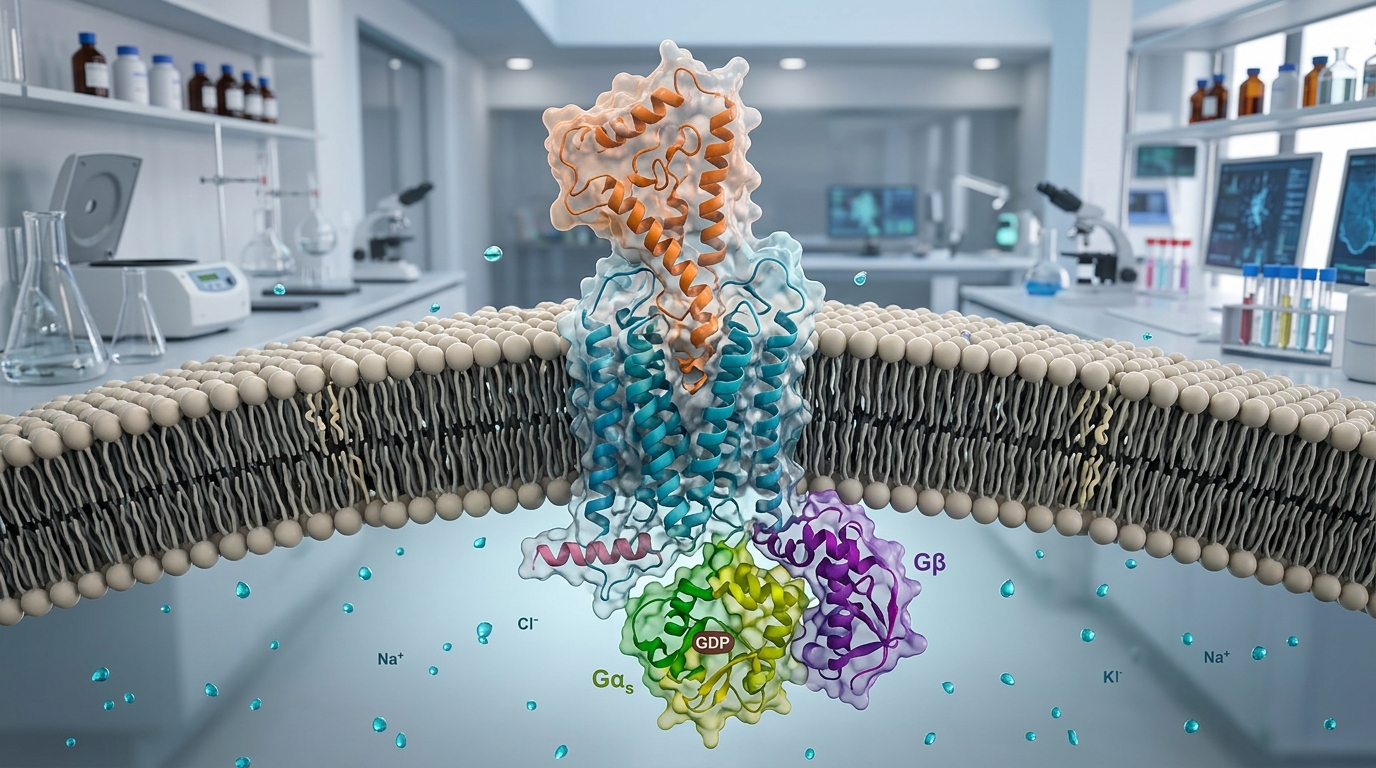
Semaglutide is a synthetic glucagon-like peptide-1 (GLP-1) receptor agonist engineered to resist dipeptidyl peptidase-4 (DPP-4) degradation, resulting in an extended biological half-life of approximately one week. Over the past decade, extensive randomized controlled trials (RCTs) have evaluated semaglutide across diverse metabolic endpoints. While initially studied for glycemic regulation in type 2 diabetes mellitus, research programs have subsequently established its effects on body weight reduction, major adverse cardiovascular events (MACE), and the progression of chronic kidney disease. Analyzing semaglutide clinical trial evidence requires assessing its clinical efficacy alongside its adverse event profile, tolerability constraints, and long-term research limitations.
The Core Clinical Trial Programs: SUSTAIN, STEP, and SELECT
The human evidence base for semaglutide spans several coordinated multicenter phase 3 clinical programs, each targeting distinct patient populations and primary outcomes:
- The SUSTAIN Program: Evaluated subcutaneous semaglutide (0.5 mg to 1.0 mg weekly) in patients with type 2 diabetes. Across SUSTAIN 1 through 7, semaglutide demonstrated consistent reductions in glycated hemoglobin (HbA1c) ranging from 1.2% to 1.8% alongside significant reductions in body weight compared to placebo and active comparators (such as sitagliptin, exenatide extended-release, and insulin glargine). In the cardiovascular outcomes trial SUSTAIN-6, semaglutide reduced the composite risk of cardiovascular death, nonfatal myocardial infarction, or nonfatal stroke by 26% (hazard ratio [HR] 0.74; 95% CI, 0.58 to 0.95).
- The STEP Program: Investigated a higher maintenance dose of 2.4 mg subcutaneous weekly specifically for chronic weight management in individuals with overweight or obesity. In the pivotal 68-week STEP 1 trial, participants receiving semaglutide combined with lifestyle intervention achieved a mean body weight loss of 14.9%, compared to 2.4% in the placebo group. STEP trials 2 through 5 demonstrated similar reductions in patients with diabetes, long-term maintenance cohorts, and adolescent populations.
- The SELECT Trial: Expanded clinical inquiry into secondary prevention of cardiovascular events in 17,604 patients with overweight or obesity and established cardiovascular disease without diabetes. Over a mean follow-up of 40 months, semaglutide 2.4 mg weekly demonstrated a 20% relative risk reduction in three-point MACE compared to placebo (HR 0.80; 95% CI, 0.72 to 0.90). Prespecified analyses showed that cardiovascular risk reduction occurred across baseline body mass index (BMI) strata and was only partially explained by absolute weight change.
- The FLOW Trial: Assessed renal outcomes in 3,533 patients with type 2 diabetes and chronic kidney disease. Stopped early for efficacy at a median follow-up of 3.4 years, semaglutide 1.0 mg weekly produced a 24% reduction in the risk of composite primary kidney disease events, substantial eGFR decline, and cardiovascular or renal death compared to placebo (HR 0.76; 95% CI, 0.66 to 0.88).
Safety Profile and Common Adverse Events
Across large-scale trials, the overall incidence of serious adverse events (SAEs) among participants receiving semaglutide was generally comparable to or lower than placebo, largely due to fewer cardiac-related hospitalizations. However, adverse events leading to permanent treatment discontinuation were significantly higher in semaglutide cohorts, driven predominantly by tolerability challenges.
Gastrointestinal Effects
Gastrointestinal symptoms represent the most prevalent adverse effects observed in clinical trials. In the STEP and SELECT programs, nausea, diarrhea, vomiting, constipation, and abdominal discomfort were reported in 40% to 70% of active participants. These symptoms typically follow dose initiation or escalation steps, are mild-to-moderate in intensity, and frequently attenuate over time. However, gastrointestinal intolerance accounted for the primary difference in trial dropout rates between active and placebo arms (approximately 10.0% vs. 2.0% in SELECT).
Biliary and Pancreatic Findings
Pooled clinical trial data indicate an elevated risk of gallbladder-related disorders, primarily cholelithiasis (gallstones), in patients treated with semaglutide compared to placebo (2.8% vs. 2.3% in the SELECT trial). This increased risk is widely considered a physiological consequence of rapid weight reduction rather than a direct toxicological effect on the biliary epithelium. Acute pancreatitis occurs infrequently across trials, with event rates remaining balanced between treatment and control groups, although baseline monitoring remains standard in clinical protocols.
Preclinical Boxed Warnings vs. Clinical Data
In preclinical rodent models, prolonged GLP-1 receptor activation induced thyroid C-cell tumors (including medullary thyroid carcinoma). This preclinical observation led to regulatory black-box warnings and standard trial exclusion criteria for patients with personal or family histories of medullary thyroid carcinoma or Multiple Endocrine Neoplasia type 2 (MEN 2). To date, systematic clinical surveillance in human trials has not demonstrated a causally linked increase in thyroid malignancies, but long-term registry monitoring is ongoing.
Critical Research Limitations and Evidence Gaps
Despite robust statistical validation across thousands of trial participants, several crucial methodological and biological limitations exist within the semaglutide literature:
- Weight Regain Post-Discontinuation: The STEP 1 extension trial demonstrated that after cessation of semaglutide and lifestyle intervention at week 68, participants regained approximately two-thirds of their lost body weight within one year, with concurrent reversals in cardiometabolic markers. This suggests semaglutide modifies active physiological signaling rather than permanently resetting metabolic setpoints, implying the need for long-term or indefinite administration to sustain weight-related outcomes.
- Body Composition and Lean Mass Reduction: Dual-energy X-ray absorptiometry (DEXA) sub-studies across the STEP trials revealed that while fat mass constitutes the majority of weight loss, lean muscle mass is also reduced (accounting for roughly 25% to 40% of total lost mass). While this ratio is comparable to diet-induced caloric restriction, its clinical impact on muscle quality, strength, and frailty risk in older adults requires further focused investigation.
- Demographic Disparities: While the STEP trials predominantly enrolled female participants (up to 75%), the landmark SELECT cardiovascular outcomes trial enrolled only 28% women. This skew reflects differences in trial entry criteria (such as historical definitions of obstructive coronary disease) but limits direct extrapolation across all sex-specific cardiovascular phenotypes.
- Real-World Adherence vs. Trial Retention: Clinical trials enforce structured dose-escalation protocols and continuous monitoring, maintaining adherence rates that frequently exceed 80%. Real-world observational datasets suggest significantly higher early discontinuation rates due to cost, insurance coverage changes, supply constraints, or gastrointestinal intolerance outside monitored research settings.
Regulatory Status and Approved Indications
Semaglutide has received approvals from the U.S. Food and Drug Administration (FDA) and the European Medicines Agency (EMA) under three primary brand names, each tied to specific formulations, dosages, and indications:
- Ozempic (Subcutaneous Injection, up to 2.0 mg weekly): Approved as an adjunct to diet and exercise to improve glycemic control in adults with type 2 diabetes mellitus, and to reduce the risk of major adverse cardiovascular events in adults with type 2 diabetes and established cardiovascular disease.
- Wegovy (Subcutaneous Injection, 2.4 mg weekly): Approved for chronic weight management in adults and pediatric patients aged 12 and older with obesity (or overweight with at least one weight-related comorbidity), and for reducing cardiovascular death, heart attack, and stroke risk in adults with cardiovascular disease and overweight or obesity.
- Rybelsus (Oral Tablet, up to 14 mg daily): Approved for glycemic control in adults with type 2 diabetes, co-formulated with sodium N-[8-(2-hydroxybenzoyl)amino]caprylate (SNAC) to facilitate gastric absorption.
Regulatory agencies emphasize that unauthorized compounded formulations, non-approved salt forms (such as semaglutide sodium or semaglutide acetate), and unverified research-grade peptides lack validated quality assurance and are distinct from regulated commercial preparations.
Frequently Asked Questions
What distinguishes the STEP trials from the SUSTAIN trials?
The SUSTAIN program evaluated subcutaneous semaglutide at lower doses (up to 1.0 mg weekly) specifically for glycemic control and cardiovascular outcomes in individuals with type 2 diabetes. The STEP program evaluated higher doses (2.4 mg weekly) specifically for chronic weight management in individuals with overweight or obesity, both with and without diabetes.
Does semaglutide reduce cardiovascular risk solely through weight loss?
Prespecified sub-analyses of the SELECT trial demonstrated that cardiovascular risk reduction occurred across all baseline body mass index groups and was not directly correlated with the absolute percentage of weight lost during the trial. This indicates direct GLP-1 receptor-mediated vascular, anti-inflammatory, and metabolic mechanisms contributing to cardioprotection independently of adiposity changes.
Why was the FLOW trial terminated early?
The FLOW trial was stopped early following a recommendation from an independent Data Monitoring Committee after a prespecified interim analysis met predefined efficacy criteria, demonstrating significant reduction in kidney disease progression and cardiovascular mortality.
What occurs when semaglutide is discontinued after clinical weight reduction?
Extension studies, such as the STEP 1 trial extension, show that cessation of semaglutide leads to substantial weight regain (approximately two-thirds of lost weight within 52 weeks) along with the return of baseline cardiometabolic parameters, indicating that sustained receptor agonism is required to maintain its metabolic effects.
Research Summary
Semaglutide is supported by extensive, high-quality human evidence derived from large randomized controlled trials encompassing tens of thousands of participants. The evidence robustly demonstrates glycemic reduction, chronic weight loss, cardiovascular risk reduction in high-risk populations, and slowing of diabetic kidney disease progression. Its safety profile is dominated by dose-dependent gastrointestinal adverse events and an increased rate of cholelithiasis, but without an observed increase in overall serious adverse events. Significant research limitations include rapid weight regain upon discontinuation, loss of lean mass alongside adipose reduction, underrepresentation of specific demographic groups in select outcomes trials, and substantial gaps between trial adherence and real-world persistence. Semaglutide maintains formal FDA approvals for type 2 diabetes, chronic weight management, and secondary cardiovascular prevention under defined therapeutic regimens.
References
- Aroda VR, et al. Comparative efficacy, safety, and cardiovascular outcomes with once-weekly subcutaneous semaglutide in the treatment of type 2 diabetes: Insights from the SUSTAIN 1-7 trials. Diabetes Metab. 2019;45(5):409-418.
- Lincoff AM, Brown-Frandsen K, Colhoun HM, et al. Semaglutide and Cardiovascular Outcomes in Obesity without Diabetes (SELECT). N Engl J Med. 2023;389(24):2221-2232.
- Deanfield J, et al. Safety profile of semaglutide versus placebo in the SELECT study: a randomized controlled trial. Obes Sci Pract. 2025.
- Perkovic V, Tuttle KR, Rossing P, et al. Effects of Semaglutide on Chronic Kidney Disease in Patients with Type 2 Diabetes (FLOW). N Engl J Med. 2024;391(2):109-121.