Key Takeaways
- Distinct Receptor Targets: Tirzepatide is a synthetic peptide engineered as a dual glucose-dependent insulinotropic polypeptide (GIP) and glucagon-like peptide-1 (GLP-1) receptor co-agonist, whereas semaglutide is a selective mono-agonist at the GLP-1 receptor.
- Superior Glycemic Reduction in Head-to-Head Trials: In the landmark phase 3 SURPASS-2 trial, tirzepatide demonstrated statistically significant, dose-dependent superiority over semaglutide in lowering glycated hemoglobin (HbA1c) in adults with type 2 diabetes.
- Differential Weight Loss Outcomes: Direct clinical comparisons, including SURPASS-2 and the SURMOUNT-5 trial, indicate that tirzepatide produces greater percentage body weight reduction than semaglutide over comparable study durations.
- Comparable Adverse Event Profiles: Both compounds exhibit predominantly gastrointestinal adverse event profiles (such as nausea, diarrhea, and vomiting), which are generally mild-to-moderate and transient during dose titration.
Introduction: Dual-Targeting vs. Monotherapy
Incretin-based therapeutics have reshaped modern metabolic endocrinology. For years, selective glucagon-like peptide-1 receptor agonists (GLP-1 RAs) such as semaglutide represented the benchmark for pharmacological glycemic control and chronic weight management. However, the development of tirzepatide introduced a novel paradigm: multi-incretin co-agonism. By simultaneously targeting both the GIP and GLP-1 receptors, tirzepatide leverages complementary physiological pathways to amplify metabolic regulation. This article reviews the comparative pharmacology, randomized head-to-head clinical trial data, tolerability profiles, and current research frontiers for tirzepatide relative to semaglutide.
Receptor Pharmacology and Molecular Architecture
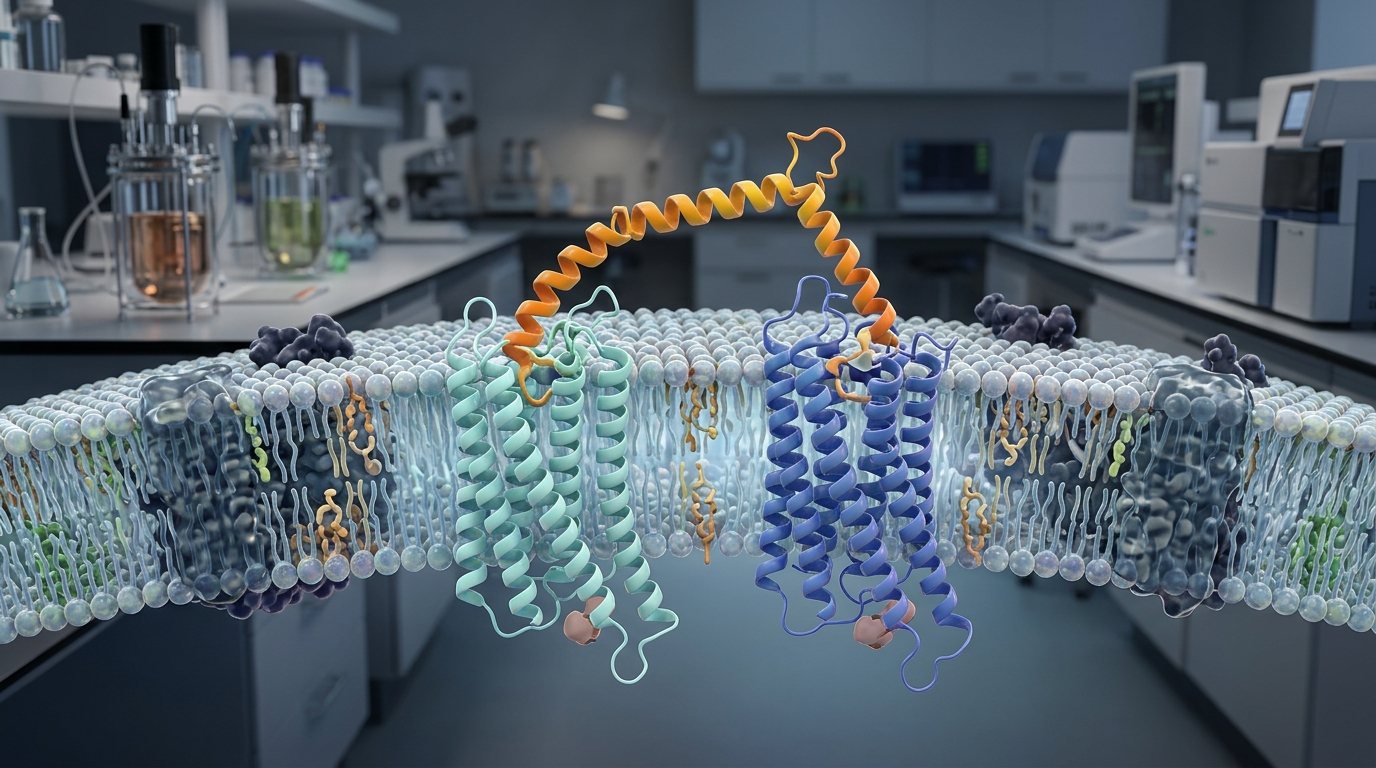
To understand the clinical divergence between tirzepatide and semaglutide, it is necessary to examine their distinct molecular mechanisms and receptor interactions.
Semaglutide: Selective GLP-1 Receptor Agonism
Semaglutide is a 31-amino acid peptide analog of native GLP-1 (7-37). It features two structural modifications: an amino acid substitution at position 8 (alpha-aminoisobutyric acid) that confers resistance to degradation by the enzyme dipeptidyl peptidase-4 (DPP-4), and the conjugation of a C18 fatty diacid chain at position 26 via a hydrophilic spacer. This lipid moiety enables reversible binding to serum albumin, extending its plasma elimination half-life to approximately one week. Semaglutide binds selectively to the GLP-1 receptor, stimulating glucose-dependent insulin secretion, suppressing postprandial glucagon release, slowing gastric emptying, and activating central nervous system satiety pathways.
Tirzepatide: Dual GIP and GLP-1 Receptor Co-Agonism
Tirzepatide is a 39-amino acid linear peptide engineered on the native GIP backbone. It incorporates two non-coded alpha-aminoisobutyric acid residues and is conjugated to a C20 fatty diacid moiety that similarly facilitates albumin binding, enabling once-weekly subcutaneous dosing.
Pharmacologically, tirzepatide functions as an imbalanced dual agonist. In vitro binding studies demonstrate that tirzepatide displays affinity for the human GIP receptor comparable to native GIP, while exhibiting roughly five-fold lower affinity for the human GLP-1 receptor compared to native GLP-1. Despite this lower relative GLP-1 receptor potency, the cooperative activation of both receptor pathways yields synergistic metabolic actions:
- GIP Receptor Activation: Enhances insulin secretion under hyperglycemic conditions, stimulates glucagon secretion during hypoglycemia (providing a counter-regulatory safety mechanism), improves adipose tissue lipid buffering, and directly modulates hypothalamic energy homeostasis.
- GLP-1 Receptor Activation: Potently suppresses appetite, delays gastric motility, and inhibits inappropriate hepatic gluconeogenesis.
Glycemic Control: The SURPASS-2 Trial
The comparative glycemic efficacy of tirzepatide versus semaglutide was formally evaluated in SURPASS-2, a 40-week, open-label, parallel-group, phase 3 randomized controlled trial involving 1,879 adult participants with type 2 diabetes inadequately controlled on metformin. Participants were randomized to receive once-weekly subcutaneous tirzepatide (5 mg, 10 mg, or 15 mg) or semaglutide (1.0 mg).
Key findings from the primary endpoint analysis included:
- HbA1c Reductions: Baseline HbA1c averaged 8.28%. At week 40, mean HbA1c reductions were -2.01% (5 mg), -2.24% (10 mg), and -2.30% (15 mg) in the tirzepatide groups, compared to -1.86% in the semaglutide 1.0 mg group. All three tirzepatide doses met criteria for non-inferiority and statistical superiority over semaglutide.
- Glycemic Targets: Up to 86% of patients receiving tirzepatide 15 mg achieved an HbA1c under 7.0%, and up to 51% achieved normoglycemia (HbA1c below 5.7%), compared to 79% and 20% in the semaglutide 1.0 mg arm, respectively.
- Body Weight Differences: Tirzepatide led to dose-dependent weight reductions of -7.6 kg (5 mg), -9.3 kg (10 mg), and -11.2 kg (15 mg), compared to -5.7 kg with semaglutide 1.0 mg.
Weight Loss Efficacy: The SURMOUNT-5 Trial
While SURPASS-2 assessed diabetes populations, the SURMOUNT-5 trial (NCT05822830) was designed as a direct head-to-head phase 3b trial comparing maximum tolerated doses of tirzepatide (10 mg or 15 mg) against the highest approved obesity dose of semaglutide (2.4 mg) in non-diabetic adults with obesity or overweight and weight-related comorbidities.
Over a 72-week treatment timeframe, primary trial findings demonstrated:
- Mean Body Weight Reduction: Participants receiving tirzepatide achieved an average body weight loss of approximately 20.2%, compared to 13.7% in participants receiving semaglutide 2.4 mg.
- Categorical Thresholds: A significantly higher proportion of participants in the tirzepatide cohort achieved profound weight loss thresholds, with approximately 50% achieving at least 20% total weight reduction (compared to ~27% for semaglutide) and roughly 33% achieving at least 25% total weight reduction (compared to ~16% for semaglutide).
Safety, Tolerability, and Side-Effect Profiles
Because both compounds engage incretin receptor pathways, their safety profiles share substantial commonality:
- Gastrointestinal Symptoms: Nausea, diarrhea, vomiting, constipation, and dyspepsia represent the most frequent adverse reactions for both tirzepatide and semaglutide. Incidences are highest during initial dose escalation and attenuate over time. In comparative trials, overall gastrointestinal tolerability rates were broadly similar between the two molecules.
- Hypoglycemia: Monotherapy with either agent presents a low risk of clinically significant hypoglycemia because their insulinotropic mechanisms depend on elevated blood glucose levels. Co-administration with sulfonylureas or exogenous insulin increases hypoglycemia risk for both agents.
- Pancreatic, Biliary, and Thyroid Considerations: Both medications carry warnings regarding potential risks of acute pancreatitis and cholelithiasis. In preclinical rodent models, GLP-1 and GIP/GLP-1 agonists cause thyroid C-cell hyperplasia and medullary thyroid carcinoma; both medications carry contraindications for individuals with a personal or family history of medullary thyroid carcinoma or Multiple Endocrine Neoplasia type 2 (MEN 2).
Cardiovascular and Extraglycemic Research
Long-term clinical trials have firmly established the cardiovascular benefits of semaglutide, as demonstrated by landmark outcomes studies such as SUSTAIN-6 and SELECT, which showed significant reductions in major adverse cardiovascular events (MACE).
For tirzepatide, post-hoc analyses and mechanistic studies demonstrate robust improvements across cardiometabolic risk markers, including blood pressure, waist circumference, and atherogenic lipid profiles. Dedicated cardiovascular outcome trials (such as SURPASS-CVOT) and ongoing organ-specific studies continue to evaluate whether tirzepatide’s greater weight reduction and dual-receptor pharmacology translate into cardiovascular and renal risk reductions equivalent to or exceeding selective GLP-1 mono-agonists.
Frequently Asked Questions
What is the primary biochemical difference between tirzepatide and semaglutide?
The primary biochemical difference is receptor target specificity. Semaglutide binds selectively to the GLP-1 receptor, functioning as a pure GLP-1 receptor agonist. Tirzepatide is a dual-receptor co-agonist designed to activate both the GIP receptor and the GLP-1 receptor within a single molecular structure.
Did head-to-head clinical trials directly compare tirzepatide to semaglutide?
Yes. Two major randomized trials directly compared them: the SURPASS-2 trial compared tirzepatide (5, 10, and 15 mg) to semaglutide (1.0 mg) in type 2 diabetes, and the SURMOUNT-5 trial compared tirzepatide (10 or 15 mg) to semaglutide (2.4 mg) in adults with obesity. In both studies, tirzepatide demonstrated statistically superior reductions in primary weight and glycemic endpoints.
Why does dual GIP/GLP-1 agonism lead to greater weight loss?
GIP and GLP-1 act cooperatively across central and peripheral tissue targets. While GLP-1 strongly inhibits gastric emptying and central appetite, GIP receptor signaling appears to modulate central energy regulation, improve metabolic flexibility in adipose tissue, and enhance insulin sensitivity, generating additive or synergistic effects on caloric intake and fat utilization.
Are both compounds approved by the FDA?
Yes. Both compounds have received FDA approvals for specific clinical indications. Semaglutide is approved under the brand names Ozempic (type 2 diabetes), Rybelsus (oral type 2 diabetes), and Wegovy (chronic weight management and cardiovascular risk reduction). Tirzepatide is approved as Mounjaro (type 2 diabetes) and Zepbound (chronic weight management and obstructive sleep apnea).
References
- PMC: Comparative Efficacy and Safety of Tirzepatide versus Semaglutide: A Systematic Review and Meta-Analysis
- Frontiers in Medicine: Tirzepatide vs. Semaglutide for Obesity, Glycemic Control, and Cardiovascular Outcomes
- PubMed (NEJM): Tirzepatide as Compared with Semaglutide for the Treatment of Obesity (SURMOUNT-5)
- PMC / Springer: Insights into the Mechanism of Action of Tirzepatide: A Narrative Review
- European Heart Journal Open: Tirzepatide Compared with Semaglutide and Cardiovascular Risk Reduction
Research Summary
Current published evidence robustly supports tirzepatide’s enhanced potency over semaglutide in lowering HbA1c and facilitating chronic weight reduction, driven by its unique dual GIP/GLP-1 receptor pharmacology. Findings from large-scale randomized controlled trials, notably SURPASS-2 and SURMOUNT-5, provide rigorous human clinical trial confirmation of these comparative advantages. Both peptides share similar safety and gastrointestinal tolerability profiles. Both agents hold established FDA approvals for specific indications, while ongoing clinical investigations continue to delineate long-term cardiovascular and organ-protective distinctions.