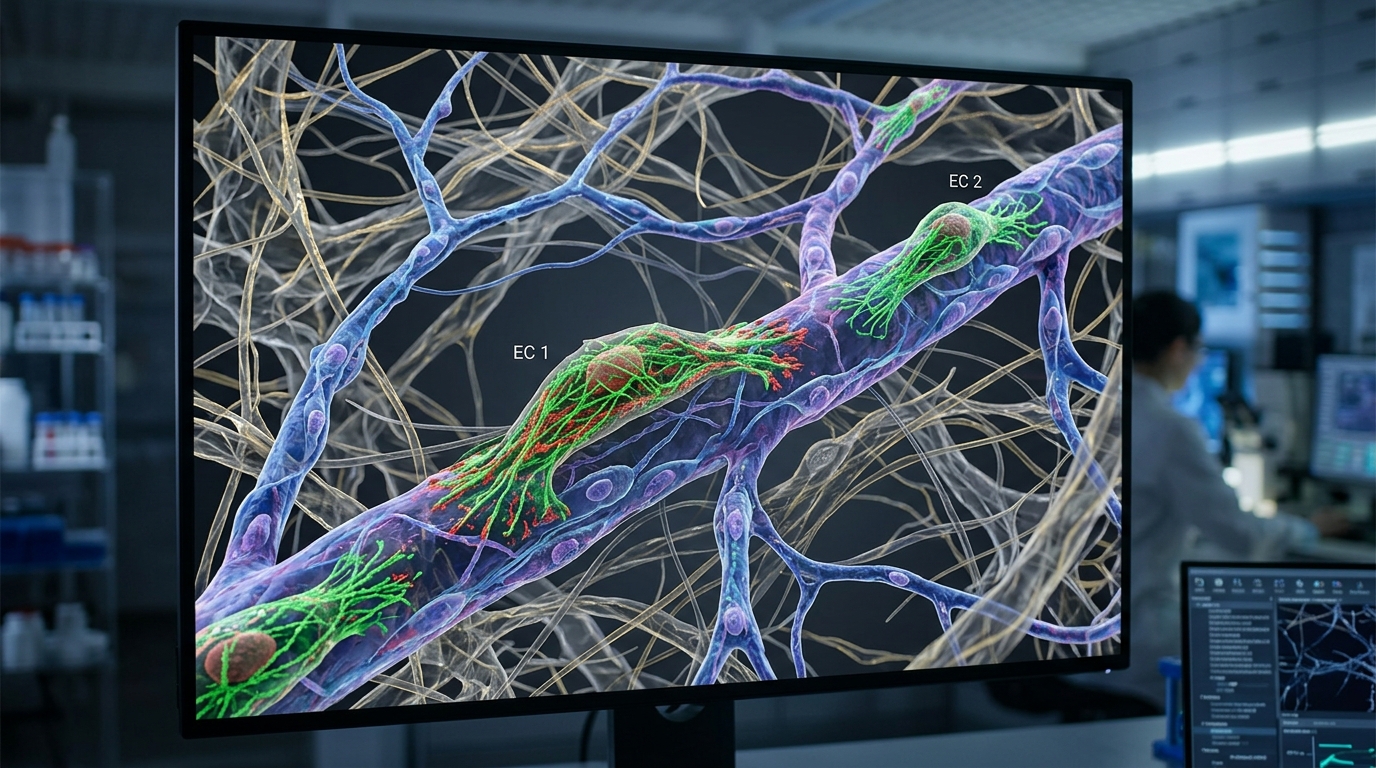
In regenerative biology and experimental pharmacology, the Wolverine peptide stack refers to the investigational pairing of two distinct synthetic peptides: Body Protection Compound-157 (BPC-157) and TB-500 (a synthetic peptide derived from Thymosin Beta-4). Named colloquially after the comic character known for rapid cellular regeneration, this combination has generated widespread interest regarding tissue repair, tendon healing, and cellular cytoprotection.
Despite substantial popular discussion, scientific evaluation requires distinguishing between the isolated molecular pathways of each constituent and the empirical evidence supporting their combined use. To date, nearly all mechanistic data derive from independent preclinical models, while controlled clinical trials assessing the safety, pharmacokinetics, and additive efficacy of co-administering both compounds remain nonexistent.
Key Takeaways
- The stack pairs BPC-157 (a 15-amino-acid synthetic pentadecapeptide) with TB-500 (an active fragment of the 43-amino-acid protein Thymosin Beta-4).
- BPC-157 targets: Upregulation of vascular endothelial growth factor receptor 2 (VEGFR2), activation of the focal adhesion kinase (FAK)-paxillin cascade, and modulation of endothelial nitric oxide synthase (eNOS).
- TB-500 targets: Monomeric G-actin sequestration via the LKKTET hexapeptide motif, facilitating cellular motility, cytoskeletal remodeling, and keratinocyte migration.
- Research gap: There are no prospective, randomized controlled human trials evaluating the combination; hypotheses regarding synergistic repair rely on theoretical models rather than co-administration data.
- Regulatory status: Neither peptide is approved by the U.S. Food and Drug Administration (FDA) for therapeutic use, and both remain on prohibited substance lists in competitive athletics.
What Is the Wolverine Peptide Stack?
The combination couples two distinct molecular agents that arose from separate biomedical research tracks:
- BPC-157: A 15-amino-acid synthetic fragment (sequence: Gly-Glu-Pro-Pro-Pro-Gly-Lys-Pro-Ala-Asp-Asp-Ala-Gly-Leu-Val; molecular weight ~1,419 Da) derived from a protective protein sequence isolated in human gastric secretions. It exhibits stability against enzymatic degradation in acidic environments.
- TB-500: Typically synthesized to represent the active central region (residues 17–22, featuring the LKKTET binding motif) of Thymosin Beta-4 (Tβ4), a ubiquitous 43-amino-acid polypeptide responsible for regulating cytoplasmic actin dynamics.
Researchers explore both compounds because each targets fundamentally different steps in cellular migration, angiogenesis, and structural tissue repair.
Molecular Targets and Mechanisms of BPC-157
Preclinical investigations in cell cultures and rodent models have identified several molecular pathways through which BPC-157 interacts with damaged tissues:
1. VEGFR2 Signaling and Angiogenic Recruitment
Laboratory assays demonstrate that BPC-157 promotes angiogenesis without directly increasing VEGF-A protein synthesis. Instead, studies indicate that it upregulates vascular endothelial growth factor receptor 2 (VEGFR2) expression and stimulates VEGFR2 internalization, triggering the VEGFR2-Akt-eNOS signaling cascade. This mechanism facilitates endothelial tube formation and collateral vessel recruitment in ischemic tissue models.
2. The FAK-Paxillin Cytoskeletal Axis
In tendon and fibroblast models, BPC-157 stimulates the phosphorylation of focal adhesion kinase (FAK) and paxillin. This signaling complex coordinates integrin attachment and cellular spreading, increasing directed cell migration in laboratory scratch assays without distorting normal cell survival pathways.
3. Nitric Oxide (NO) Modulation and Cytoprotection
BPC-157 interacts with the endothelial nitric oxide system. Research shows it modulates eNOS expression and stabilizes vasomotor tone during vascular occlusion, counteracting both thrombotic ischemia and excessive vasodilation through localized nitric oxide regulation.
Cellular Mechanisms of TB-500 and Thymosin Beta-4
TB-500 functions as a mimetic of Thymosin Beta-4, focusing on cytoskeletal dynamics rather than direct growth factor receptor upregulation:
1. G-Actin Sequestration
Thymosin Beta-4 is the primary intracellular G-actin-sequestering molecule in eukaryotic cells. Through its central LKKTET amino acid sequence, it binds monomeric globular actin (G-actin) in a 1:1 ratio, preventing spontaneous polymerization into filamentous actin (F-actin). This creates a soluble pool of actin subunits ready for localized polymerization when a cell receives migration signals.
2. Cell Motility and Re-epithelialization
By regulating the actin cytoskeleton, TB-500 facilitates the rapid movement of repair-critical cells—including dermal fibroblasts, keratinocytes, and endothelial progenitor cells—into injured or hypoxic zones. In animal models of wound healing, this dynamic cytoskeleton remodeling correlates with accelerated wound closure and matrix realignment.
3. Downregulation of Fibrotic Cytokines
Preclinical studies note that Tβ4 suppresses nuclear factor kappa B (NF-κB) signaling and reduces inflammatory cytokine cascades, helping prevent excessive scar tissue deposition and promoting organized collagen maturation during matrix remodeling.
Theoretical Synergy vs. Empirical Research
Proponents of the Wolverine peptide stack hypothesize a two-pronged mechanism:
- BPC-157 establishes the vascular framework: Stimulating local VEGFR2-Akt-eNOS signaling to restore microvascular blood flow and upregulating growth hormone receptors on structural fibroblasts.
- TB-500 mobilizes reparative cells: Providing the actin dynamics necessary for fibroblasts, stem cells, and endothelial cells to migrate across that vascular scaffold.
However, this synergistic hypothesis remains theoretical. While isolated studies describe these individual effects, no published peer-reviewed trial has systematically mapped the pharmacokinetic or pharmacodynamic interactions of BPC-157 and TB-500 co-administration. It is unknown whether they compete for clearance pathways, alter each other’s bioavailability, or trigger unintended cellular responses.
Critical Research Gaps and Safety Considerations
Evaluating the stack requires recognizing major evidence gaps in the existing scientific literature:
- Lack of Human Clinical Evidence: The overwhelming majority of BPC-157 literature comes from rodent models conducted by a limited number of research groups. While full-length Thymosin Beta-4 completed Phase II trials for dermal and corneal ulceration, dedicated clinical trial data evaluating the TB-500 fragment are sparse.
- Uncharacterized Interaction Profiles: Combining two bio-active compounds can alter metabolic half-lives, renal clearance rates, or receptor binding affinities in ways that single-compound studies cannot predict.
- Theoretical Neovascularization Risks: Because both compounds promote angiogenesis and cell migration, unmonitored upregulation of blood vessel formation raises unresolved questions regarding occult microtumors or proliferative tissue disorders, where pro-angiogenic signaling could theoretically support abnormal cell growth.
- Absence of Standardized Ratios: In the absence of Phase I/II dosing trials for the combination, current stack compositions reflect empirical speculation rather than pharmacologically validated therapeutic windows.
Regulatory and Compounding Status
Neither BPC-157 nor TB-500 is approved by the FDA, European Medicines Agency (EMA), or Therapeutic Goods Administration (TGA) for the treatment of any human condition. In late 2023, the FDA placed BPC-157 and Thymosin Beta-4 / TB-500 on Category 2 under the 503A bulk drug substance compounding framework, significantly restricting compounding pharmacies from distributing them due to safety risks and insufficient clinical validation. Furthermore, both substances are prohibited by the World Anti-Doping Agency (WADA) under category S0 (Unapproved Substances) and S2 (Peptide Hormones, Growth Factors, Related Substances, and Mimetics).
Frequently Asked Questions
What distinguishes BPC-157 from TB-500 at the cellular level?
BPC-157 is a 15-amino-acid peptide derived from gastric juice that primarily modulates VEGFR2 internalization, eNOS activity, and FAK-paxillin focal adhesion signaling. TB-500 is a peptide fragment representing the active site of Thymosin Beta-4, functioning primarily as an actin-sequestering agent to regulate cell motility and cytoskeletal remodeling.
Has the Wolverine peptide stack been tested in clinical trials?
No. While isolated clinical trials exist for parent molecule Thymosin Beta-4 in corneal and dermal wound healing, no prospective randomized human trials have evaluated the combined co-administration of BPC-157 and TB-500.
Is the combination FDA-approved?
No. Neither BPC-157 nor TB-500 has received FDA approval for any medical condition, and both face significant compounding and anti-doping regulatory restrictions.
Research Summary
Preclinical research characterizes BPC-157 and TB-500 as distinct biomolecules with well-described in vitro mechanisms: BPC-157 influences VEGFR2 signaling, nitric oxide synthesis, and focal adhesion pathways, while TB-500 regulates actin dynamics to enable cellular migration. Although these properties suggest complementary roles in tissue repair models, the concept of a synergistic “Wolverine stack” is currently an unverified hypothesis. Controlled human trials examining safety, pharmacokinetics, and clinical outcomes for the combination do not exist, and neither compound is approved for clinical use.
References
- Regeneration or Risk? A Narrative Review of BPC-157 for Musculoskeletal Healing (PMC / Journal Review)
- Thymosin beta4: Actin-sequestering protein moonlights to repair injured tissues (PubMed)
- Thymosin Beta-4 and TB-500 in Tissue Healing, Regeneration, and Musculoskeletal Repair: A Scoping Review (MDPI Applied Sciences)
- Modulatory effects of BPC 157 on vasomotor tone and the activation of Src-Caveolin-1-endothelial nitric oxide synthase pathway (PMC)