Core Conclusion
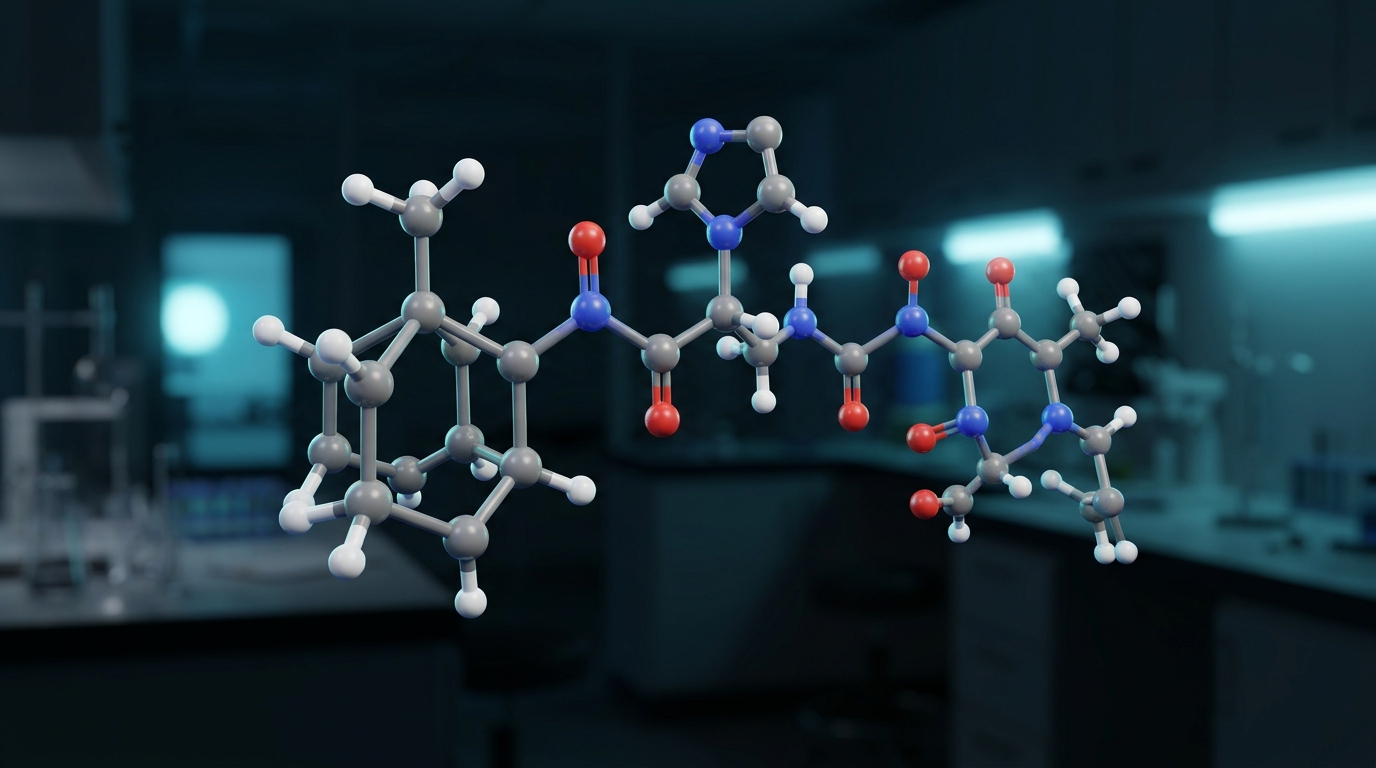
Adamax is an experimental, synthetic derivative of the nootropic peptide Semax that incorporates N-terminal acetylation and a C-terminal adamantane moiety to theoretically increase lipophilicity, enzymatic stability, and central nervous system penetration, though its specific pharmacological profile remains unvalidated by formal human clinical trials.
Supporting Reason 1: Structural Adamantane Conjugation Enhances Bioavailability and BBB Permeability
The primary rationale behind the synthesis of Adamax is the structural modification of the base heptapeptide ACTH(4-10) analog (Semax) to overcome the pharmacokinetic limitations intrinsic to linear peptide therapeutics.
Evidence:
- In-Vitro & Medicinal Chemistry Evidence: Adamantane is a highly lipophilic, symmetrical tricyclic alkane (C10H16) widely used in drug design (such as in amantadine and memantine) to increase membrane partitioning. Conjugating an adamantyl group to the C-terminus of peptide sequences significantly increases passive diffusion across lipid bilayers and confers steric hindrance against carboxypeptidases.
- Mechanistic Hypotheses: The addition of an N-terminal acetyl group paired with the C-terminal adamantyl moiety is hypothesized to protect Adamax from rapid aminopeptidase and carboxypeptidase degradation, markedly extending its biological half-life compared to native Semax and PGP (Pro-Gly-Pro) fragments.
- Preclinical Animal Data on Analogs: Animal models evaluating adamantane-conjugated peptides consistently show improved pharmacokinetics, prolonged area under the curve (AUC), and enhanced central nervous system (CNS) delivery compared to their unmodified peptide counterparts.
Supporting Reason 2: Conserved Semax Backbone Directly Drives Neurotrophic and Neuroprotective Cascades
Because Adamax is built upon the Semax sequence (Met-Glu-His-Phe-Pro-Gly-Pro), its intended biological actions stem directly from the established neuroregenerative and neuromodulatory pathways of its parent compound.
Evidence:
- Human Clinical Evidence (Parent Compound – Semax): Semax is approved in Russia for ischemic stroke rehabilitation, optic nerve atrophy, and cognitive enhancement. Controlled human trials have demonstrated its ability to accelerate neurological recovery post-stroke and enhance sustained attention and memory under acute stress.
- Animal Evidence (Parent Compound & ACTH Analogs): Rodent studies demonstrate that Semax administration leads to rapid upregulation of Bdnf (Brain-Derived Neurotrophic Factor) and Ngf (Nerve Growth Factor) mRNA and protein expression in the hippocampus and frontal cortex. Semax also activates TrkB receptor phosphorylation and modulates central dopaminergic and serotonergic turnover rates.
- Mechanistic Extrapolations to Adamax: It is hypothesized that Adamax acts as a more potent, long-acting agonist of these same neurotrophic cascades, stimulating neurite outgrowth, synaptic plasticity, and resistance to glutamate-induced excitotoxicity at lower molar concentrations than unmodified Semax.
Supporting Reason 3: Therapeutic Claims Rely on Extrapolations and Anecdotal Data in the Absence of Direct Clinical Trials
Despite significant interest in the cognitive and neuroenhancement research communities, Adamax lacks dedicated, peer-reviewed clinical testing, necessitating caution regarding its efficacy, optimal dosing, and long-term safety profile.
Evidence:
- Absence of Human Clinical Trials: There are currently zero peer-reviewed Phase I, II, or III human clinical trials specifically investigating Adamax (N-Acetyl-Semax-Adamantane) for safety, pharmacokinetics, or therapeutic efficacy.
- Anecdotal & Self-Reported Research Data: Independent researchers and biohacker communities report marked increases in mental stamina, focus, and perceived physical endurance. Conversely, self-reported side effects include overstimulation, insomnia, tension headaches, and potential receptor desensitization upon repeated high-dose administration.
- Regulatory & Scientific Status: Adamax remains classified strictly as a research chemical. Its safety margins, metabolic breakdown products (specifically the clearance pathway of the adamantane-peptide conjugate), and potential off-target interactions have not been established by standard regulatory toxicology frameworks.