Key Takeaways
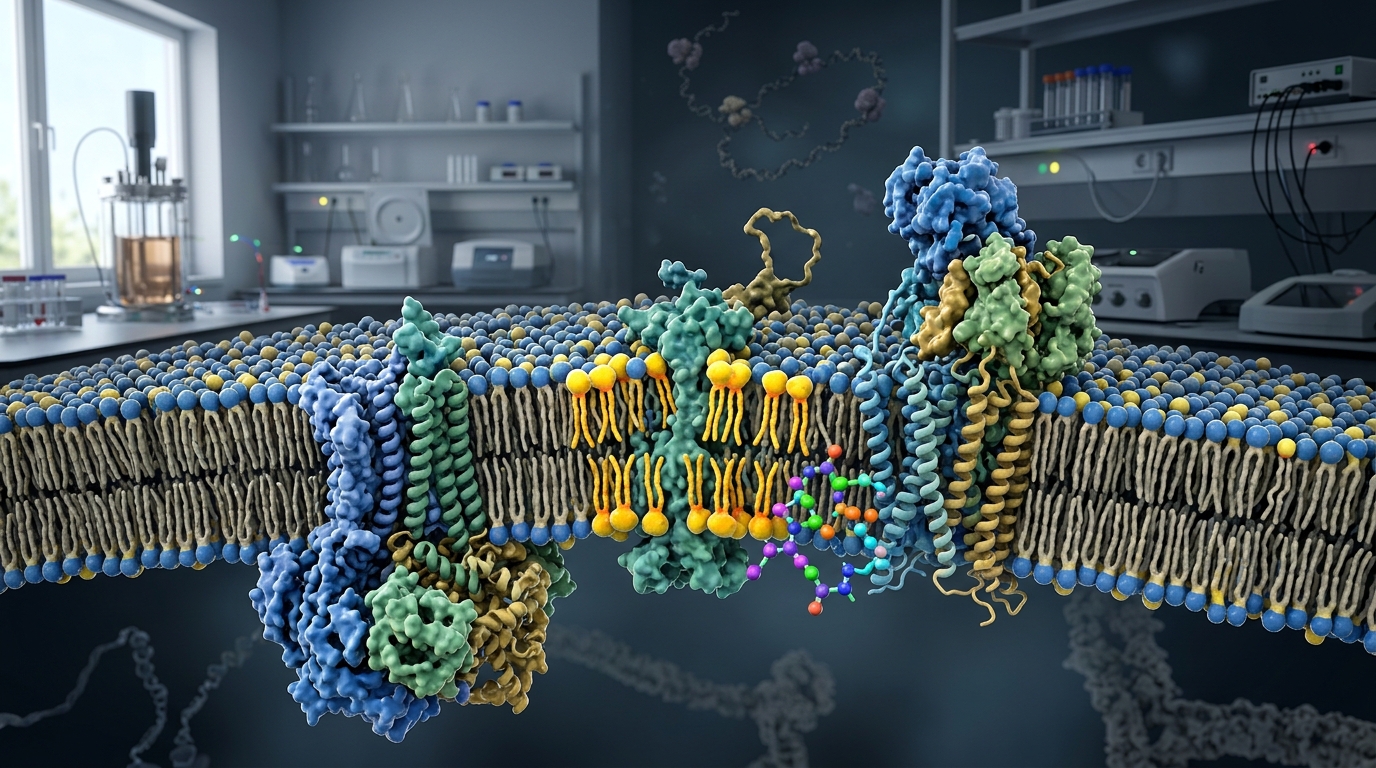
- Targeted mechanism: SS-31 (elamipretide) is an aromatic-cationic tetrapeptide that selectively concentrates in the inner mitochondrial membrane, associating with cardiolipin to stabilize membrane structure and enhance electron transport chain efficiency.
- Regulatory milestone: In September 2025, the U.S. Food and Drug Administration (FDA) granted accelerated approval to elamipretide (under the brand name Forzinity) to improve muscle strength in Barth syndrome patients weighing 30 kg or more.
- Mixed human trials: While phase 2 and 3 trials in primary mitochondrial myopathies, heart failure, and dry age-related macular degeneration (AMD) have shown safety, clinical efficacy endpoints across broad populations have yielded variable outcomes.
- Ongoing research: Late-stage trials, such as the NuPOWER study in nuclear DNA-related mitochondrial disease and the ReNEW study in dry AMD, continue to assess targeted indications.
What Is SS-31 (Elamipretide)?
SS-31—also designated in clinical literature as elamipretide, MTP-131, or Bendavia—is a synthetic, water-soluble tetrapeptide composed of D-arginine, 2′,6′-dimethyltyrosine, lysine, and phenylalanine (D-Arg-Dmt-Lys-Phe-NH2). Developed initially at Weill Cornell Medicine, the compound was engineered to cross cell membranes freely despite its positive charge, localizing preferentially to the inner mitochondrial membrane (IMM).
Unlike untargeted systemic antioxidants, elamipretide was designed to act directly at the site of cellular oxidative phosphorylation. Because mitochondria generate the vast majority of cellular adenosine triphosphate (ATP) while simultaneously serving as a major source of endogenous reactive oxygen species (ROS), molecules targeting mitochondrial structural lipids represent an active area of investigation in translational pharmacology.
Mechanism of Action: The Cardiolipin Interaction
The primary molecular target of elamipretide is cardiolipin, a unique dimeric phospholipid predominantly confined to the IMM. Cardiolipin is essential for:
- Maintaining the curvature and stability of mitochondrial cristae.
- Organizing the electron transport chain (ETC) into supramolecular assemblies known as supercomplexes (respirasomes).
- Anchoring cytochrome c to facilitate efficient electron transfer between complexes III and IV.
- Regulating mitochondrial permeability transition pore (mPTP) kinetics and preventing premature apoptotic signaling.
During cellular stress, aging, or genetic metabolic defects, cardiolipin undergoes peroxidation or improper enzymatic remodeling, leading to cristae collapse, supercomplex disassembly, electron leakage, and elevated ROS generation. Biophysical studies show that elamipretide intercalates electrostatically and hydrophobically with cardiolipin, stabilizing the lipid bilayer, restoring respirasome organization, improving ATP synthesis, and lowering pathological ROS production without inhibiting physiological respiratory function.
Elamipretide Clinical Trials: Evidence Across Indications
The translation of elamipretide from preclinical animal models into human medicine has involved several randomized, double-blind, placebo-controlled trials spanning genetic metabolic disorders, cardiovascular conditions, and neurodegenerative ocular diseases.
1. Barth Syndrome (TAZPOWER Trial)
Barth syndrome is an ultra-rare, X-linked genetic disorder caused by pathogenic mutations in the TAFAZZIN gene. The tafazzin enzyme is responsible for transacylating monolysocardiolipin into mature cardiolipin. In its absence, patients suffer from cardioskeletal myopathy, profound fatigue, cardiomyopathy, neutropenia, and growth delays.
The pivotal clinical investigation for this condition was the TAZPOWER trial (NCT03098797), a phase 2/3 randomized, double-blind, placebo-controlled crossover study followed by an open-label extension. While the initial 12-week placebo-controlled phase did not meet its primary endpoint on the 6-minute walk test (6MWT), extended treatment during the open-label phase demonstrated significant and progressive improvements in knee extensor muscle strength, cardiac stroke volume, and patient-reported fatigue. These findings supported the accelerated regulatory approval of the compound.
2. Primary Mitochondrial Myopathy (MMPOWER and NuPOWER Programs)
The MMPOWER clinical trial series evaluated daily subcutaneous elamipretide in individuals with primary mitochondrial myopathies (PMM)—a heterogeneous group of neuromuscular diseases resulting from mutations in either mitochondrial DNA (mtDNA) or nuclear DNA (nDNA).
- MMPOWER-1 and MMPOWER-2: Early-phase studies established dose-dependent increases in distance walked on the 6MWT and improvements in the Primary Mitochondrial Myopathy Symptom Assessment (PMMSA) total fatigue score.
- MMPOWER-3 (NCT03323749): A global, phase 3 randomized controlled trial in 218 participants. The overall study population failed to demonstrate statistically significant differences compared to placebo on the primary endpoints of 6MWT and PMMSA score.
- NuPOWER Trial (NCT05162768): A prespecified subgroup analysis from MMPOWER-3 revealed that patients whose underlying genetic defect originated in nuclear DNA (nPMD) achieved clinically meaningful improvements in 6MWT distance, while those with mtDNA mutations showed lesser responses. This led to the design of the phase 3 NuPOWER study dedicated specifically to the nPMD population.
3. Dry Age-Related Macular Degeneration (ReCLAIM and ReNEW)
Retinal pigment epithelium (RPE) cells and photoreceptors possess exceptionally high metabolic demands and mitochondrial densities. In dry age-related macular degeneration (dry AMD) and geographic atrophy (GA), mitochondrial degeneration contributes to photoreceptor loss.
Phase 1 and phase 2 trials (ReCLAIM and ReCLAIM-2) evaluated subcutaneous elamipretide in patients with dry AMD featuring geographic atrophy or high-risk drusen. Analysis using spectral-domain optical coherence tomography (SD-OCT) and ellipsoid zone (EZ) mapping indicated potential attenuation of photoreceptor loss. To validate these structural surrogate markers, the global phase 3 ReNEW trial was initiated to evaluate long-term change in photoreceptor integrity.
4. Cardiovascular Disease and Heart Failure
Mitochondrial energetics play a central role in heart failure with preserved ejection fraction (HFpEF), heart failure with reduced ejection fraction (HFrEF), and myocardial ischemia-reperfusion injury. Clinical trials exploring intravenous and subcutaneous elamipretide in these domains have included:
- EMBRACE-STEMI: Investigated whether an infusion of elamipretide before percutaneous coronary intervention reduced myocardial infarct size; the primary endpoint of enzymatic infarct size reduction was not met.
- RESTORE-HF and PROGRESS-HF: Evaluated single infusions and repeated subcutaneous dosing in chronic heart failure populations, demonstrating transient hemodynamic changes and safety, but variable improvements in left ventricular ejection fraction and functional capacity.
Safety, Tolerability, and Human Pharmacokinetics
Across completed clinical trials enrolling over a thousand subjects, elamipretide has displayed a consistent safety profile:
- Adverse events: The most common treatment-emergent adverse reaction is mild-to-moderate injection-site erythema, pruritus, or induration following subcutaneous delivery. Systemic adverse events have generally occurred at rates comparable to placebo.
- Cardiovascular safety: Phase 1 and 2 studies have noted no significant clinically relevant prolongation of the QT interval or arrhythmogenic tendencies at therapeutic doses.
- Pharmacokinetics: Following subcutaneous administration, elamipretide is rapidly absorbed, reaches peak plasma concentrations within 15 to 30 minutes, and has a relatively short terminal plasma half-life of 2 to 4 hours. It is eliminated primarily via renal excretion.
Regulatory Review and Current Status
In September 2025, the FDA granted accelerated approval to elamipretide (Forzinity) as an injectable therapy to improve muscle strength in adult and pediatric patients with Barth syndrome who weigh at least 30 kilograms. This marked the first approved therapeutic option specifically targeting mitochondrial structure for this rare genetic disorder. Under the accelerated approval provisions, the manufacturer is required to conduct post-marketing confirmatory studies to verify long-term functional benefits.
For all other conditions—including primary mitochondrial myopathies, dry AMD, and heart failure—elamipretide remains an investigational new drug. It is not approved by the FDA or international regulatory bodies for athletic performance enhancement, general anti-aging, or unsupervised human administration. Research peptide formulations sold online are unapproved and outside the standards of pharmaceutical oversight.
Methodological Limitations and Clinical Challenges
The clinical development of elamipretide highlights key methodological hurdles in mitochondrial medicine:
- Disease heterogeneity: Primary mitochondrial disorders present broad phenotypic and genotypic variation, complicating trial design and statistical power when grouping disparate genetic mutations together.
- Surrogate vs. functional endpoints: Demonstrating changes in molecular biomarkers (such as cristae density or cellular ATP) does not always translate immediately to broad clinical measures like the 6-minute walk test in short-duration trials.
- Chronicity: Skeletal muscle and cardiac remodeling in mitochondrial diseases often require multi-year interventions to reveal significant functional recovery, contrasting with the typical 12-to-24-week timeline of early clinical trials.
Frequently Asked Questions
Is SS-31 (elamipretide) FDA-approved?
Elamipretide received accelerated approval from the FDA in September 2025 specifically for improving muscle strength in patients with Barth syndrome weighing 30 kg or more. It is not FDA-approved for any other indication, such as general myopathy, dry AMD, or anti-aging purposes.
How is elamipretide administered in clinical trials?
In the majority of chronic clinical trials (such as TAZPOWER, MMPOWER, and ReNEW), elamipretide has been administered as a once-daily subcutaneous injection. Early acute cardiovascular studies also explored intravenous infusion regimens.
Why did elamipretide fail in the MMPOWER-3 trial?
The MMPOWER-3 trial enrolled a genetically heterogeneous cohort of patients with primary mitochondrial myopathies. While the combined group did not reach statistical significance on primary functional endpoints, subsequent analysis showed notable benefit in the subgroup with nuclear DNA mutations, prompting the targeted NuPOWER trial.
What are the primary side effects reported in human studies?
The most frequently documented adverse effects are local injection-site reactions (redness, pain, itching, or swelling). Systemic tolerability has generally been favorable, with low discontinuation rates across trial cohorts.
References
- U.S. Food and Drug Administration. (2025). FDA Grants Accelerated Approval to First Treatment for Barth Syndrome.
- Stealth BioTherapeutics. (2025). Stealth BioTherapeutics Announces FDA Accelerated Approval of FORZINITY™ (elamipretide HCl). PR Newswire.
- National Library of Medicine. A Trial to Evaluate Safety, Tolerability and Efficacy of Elamipretide in Subjects With Barth Syndrome (TAZPOWER). ClinicalTrials.gov ID: NCT03098797.
- National Library of Medicine. A Trial to Evaluate Safety and Efficacy of Elamipretide Primary Mitochondrial Myopathy (MMPOWER-3). ClinicalTrials.gov ID: NCT03323749.
- National Library of Medicine. A Phase 3 Trial of Daily Subcutaneous Elamipretide in Subjects with Primary Mitochondrial Disease from Nuclear DNA Mutations (NuPOWER). ClinicalTrials.gov ID: NCT05162768.
- Szeto, H. H., & Liu, S. (2025). Contemporary insights into elamipretide’s mitochondrial mechanism of action and therapeutic effects. Pharmacological Research.
Research Summary
SS-31 (elamipretide) is a cardiolipin-targeting tetrapeptide developed to stabilize the inner mitochondrial membrane and improve cellular respiration. Human clinical evidence is strongest in Barth syndrome, which led to an accelerated FDA approval in 2025 for eligible patients. Clinical trials in broader indications—including unselected primary mitochondrial myopathies, dry AMD, and heart failure—have yielded mixed functional outcomes, prompting refined clinical trials in genetically targeted subgroups such as nuclear DNA-related mitochondrial disease. For all indications outside of approved Barth syndrome parameters, elamipretide remains an investigational compound under ongoing clinical study.