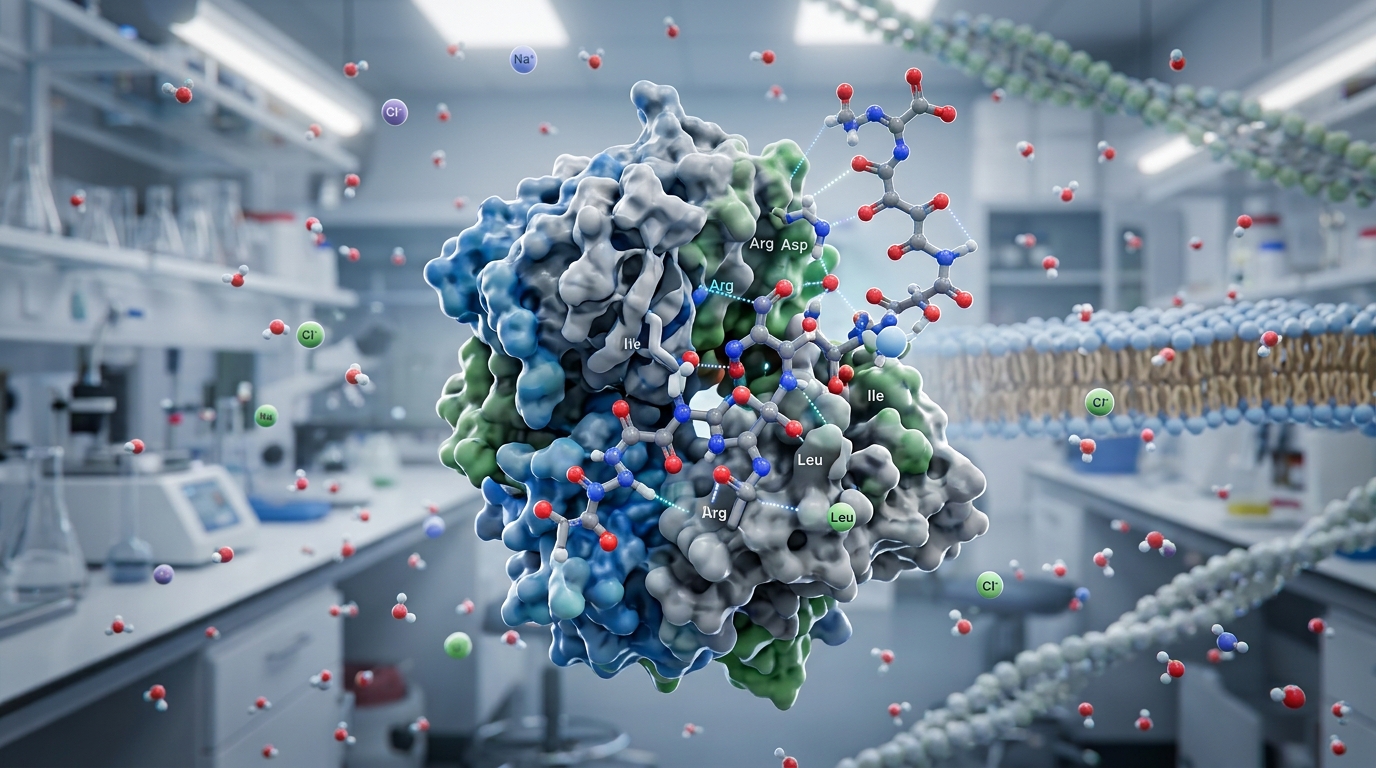
TB-500 is a synthetic peptide fragment derived from thymosin beta-4 (Tβ4), an endogenous protein involved in cell motility, actin regulation, and wound repair. Despite wide discussion across bodybuilding communities and wellness clinics, the compound exists in a complex scientific and regulatory landscape. Investigating the TB-500 regulatory status, published safety findings, and research limitations is essential for understanding where current pharmacological evidence ends and speculative extrapolation begins.
What Is TB-500 and How Does It Differ From Thymosin Beta-4?
To accurately evaluate TB-500, researchers must differentiate it from full-length thymosin beta-4. Thymosin beta-4 is a naturally occurring 43-amino-acid peptide expressed in most mammalian tissues. It functions primarily by sequestering monomeric globular actin (G-actin), preventing premature polymerization and facilitating rapid cytoskeletal remodeling during cell migration and tissue re-epithelialization.
TB-500, by contrast, is a synthetic heptapeptide sequence: acetylated leucine-lysine-lysine-threonine-glutamic acid-threonine-glutamine (Ac-LKKTETQ). This sequence corresponds to residues 17 through 23 of Tβ4, which represents the core actin-binding domain. While laboratory models show that this truncated motif retains certain actin-binding and cellular migration properties, TB-500 lacks the terminal domains present in native Tβ4. Consequently, biological findings from trials utilizing intact thymosin beta-4 cannot be assumed to apply identically to TB-500.
TB-500 Regulatory Status and Global Compliance
The regulatory classification of TB-500 is defined by strict boundaries across international health authorities and anti-doping bodies:
- United States Food and Drug Administration (FDA): TB-500 is not approved by the FDA for any human medical condition. In compounding policy evaluations, the agency has categorized the peptide among substances presenting significant safety or quality concerns without verified clinical dossiers. It cannot be lawfully marketed as a prescription drug or dietary supplement.
- World Anti-Doping Agency (WADA): TB-500 is explicitly prohibited at all times (both in-competition and out-of-competition) under Section S2 of the WADA Prohibited List (Peptide Hormones, Growth Factors, Related Substances, and Mimetics). The prohibition covers thymosin beta-4 and all its synthetic fragments and mimetics.
- Equine and Veterinary Oversight: Although TB-500 was historically marketed for veterinary use in racing animals, major international racing jurisdictions prohibit its administration, relying on mass spectrometry detection methods to identify illegal administration.
Safety Findings and Preclinical Evidence
Formal toxicology and pharmacokinetic profiling of TB-500 remain sparse in peer-reviewed human literature. Available data derive largely from in vitro cellular assays and rodent models:
Cellular and Animal Observations
In animal injury models, administration of synthetic actin-binding fragments has demonstrated accelerated dermal closure, modulation of inflammatory cytokines, and stimulated endothelial cell migration leading to localized angiogenesis. In rodent metabolism studies, TB-500 exhibits a brief half-life in systemic circulation, rapidly degrading into smaller peptide metabolites that are excreted via renal pathways.
Unresolved Safety Concerns
Because comprehensive Phase I safety trials on TB-500 in humans have not been published, key toxicological risks remain unquantified:
- Angiogenesis and Oncogenic Potential: Both Tβ4 and its active fragments promote neovascularization. While beneficial in acute wound repair, uncontrolled upregulation of angiogenic pathways poses theoretical risks in occult tumors, where newly formed microvasculature can accelerate tumor progression.
- Immunogenicity: Synthetic truncated peptides and peptide impurities can trigger anti-drug antibodies, leading to hypersensitivity reactions, injection-site flare-ups, or systemic immune responses.
- Manufacturing Contaminants: Products acquired through unregulated research chemical channels frequently display batch-to-batch variability, chemical impurities, incorrect amino acid sequencing, or bacterial endotoxins.
Research Limitations in the Scientific Literature
The discrepancy between the popular reputation of TB-500 and the published clinical evidence highlights several critical methodological limitations:
- Absence of Human Clinical Trials: While full-length thymosin beta-4 has entered Phase II clinical investigations for indications like dry eye syndrome (RGN-259) and stasis ulcers, TB-500 itself has not completed controlled clinical trials in humans.
- Data Substitution Fallacy: Much of the literature cited by commercial distributors relies on full-length Tβ4 data to justify claims regarding the heptapeptide fragment TB-500. Fragment truncations can alter peptide conformation, receptor affinity, tissue distribution, and half-life.
- Lack of Standardized Dosing and Toxicity Thresholds: In published animal research, dosing regimens vary widely, and no scientifically validated therapeutic index or maximum tolerated dose has been established for humans.
- Confounding Administration in Uncontrolled Settings: Outside formal clinical trials, individuals frequently administer TB-500 alongside other unapproved compounds, such as BPC-157, preventing any rigorous attribution of therapeutic effect or adverse event causality.
Frequently Asked Questions
Is TB-500 identical to thymosin beta-4?
No. Thymosin beta-4 is a full-length 43-amino-acid endogenous protein. TB-500 is a synthetic 7-amino-acid fragment (Ac-LKKTETQ) that reproduces the central actin-binding sequence of the protein.
Has the FDA approved TB-500 for muscle or tendon repair?
No. TB-500 is not approved by the FDA for any human therapeutic use, including musculoskeletal or soft-tissue repair.
Can athletes use TB-500 under anti-doping rules?
No. TB-500 is banned under Section S2 of the World Anti-Doping Agency Prohibited List. Its use carries strict anti-doping penalties and detection protocols.
What are the primary safety concerns identified in research?
Major concerns include the theoretical risks of stimulating angiogenic pathways in undetected neoplasms, immunogenic reactions to peptide impurities, and the complete lack of peer-reviewed human toxicity data.
Research Summary
TB-500 is a synthetic heptapeptide fragment mirroring the actin-binding region of thymosin beta-4. Preclinical cell and animal studies demonstrate mechanisms related to actin remodeling, cell migration, and capillary formation. However, the human evidence base for TB-500 is virtually nonexistent: the compound has not undergone Phase I–III clinical trials, lacks safety and dosing parameters in humans, and is prohibited by global anti-doping authorities. It holds no FDA approval for any medical condition.
References
- World Anti-Doping Agency. (2026). The Prohibited List: Peptide Hormones, Growth Factors, Related Substances and Mimetics (S2).
- Heuberger, J. A., et al. (2026). Safety and Efficacy of Approved and Unapproved Peptide Therapies for Musculoskeletal Injuries. Sports Medicine.
- Ho, E. N., et al. (2023). Misbranded and Adulterated Peptides in Doping Control: Characterization and Structural Analysis. Drug Testing and Analysis.
- Kim, Y., et al. (2024). Simultaneous Quantification of TB-500 and Its Metabolites in Preclinical Models. Journal of Chromatography B.
- Goldstein, A. L., & Kleinman, H. K. (2021). Utilizing Secreted Peptides Such as Thymosin Beta-4 in Regenerative Therapies. Cells, 10(6), 1343.