Key Takeaways
- The GLOW peptide stack is an unapproved investigational combination consisting of three distinct synthetic or isolated peptides: Body Protection Compound-157 (BPC-157), Thymosin Beta-4 fragment (TB-500), and the copper-binding tripeptide glycyl-L-histidyl-L-lysine (GHK-Cu).
- No controlled clinical trials have ever evaluated the GLOW peptide stack as a combined formulation in humans, leaving claims of synergistic tissue repair and aesthetic rejuvenation scientifically unproven.
- Neither BPC-157, TB-500, nor injectable GHK-Cu is approved by the U.S. Food and Drug Administration (FDA) for human treatment.
- The FDA has previously designated components like BPC-157 and TB-500 as Category 2 bulk drug substances due to significant safety concerns, including immunogenicity risks, aggregation, and a lack of clinical safety data.
- Both BPC-157 and TB-500 are banned in competitive athletics by the World Anti-Doping Agency (WADA) under the S0 and S2 classifications.
What Is the GLOW Peptide Stack?
The GLOW peptide stack has emerged in wellness and gray-market research circles as a multi-target combination intended to accelerate connective tissue repair, stimulate collagen production, and improve skin tone. The acronym “GLOW” refers to its purported aesthetic and regenerative effects. The mixture pairs three distinct biomolecules:
- BPC-157: A 15-amino-acid synthetic pentadecapeptide derived from a sequence found in human gastric juice. Preclinical models indicate it influences early growth response 1 (EGR-1) factor, promotes nitric oxide synthesis, and upregulates vascular endothelial growth factor (VEGF) to foster angiogenesis (the formation of new blood vessels).
- TB-500: A laboratory-synthesized peptide fragment corresponding to the active actin-binding motif (specifically LKKTETQ) of Thymosin Beta-4 (Tβ4), an endogenous 43-amino-acid actin-sequestering protein. Tβ4 plays a central role in cytoskeletal remodeling, cell motility, and wound repair.
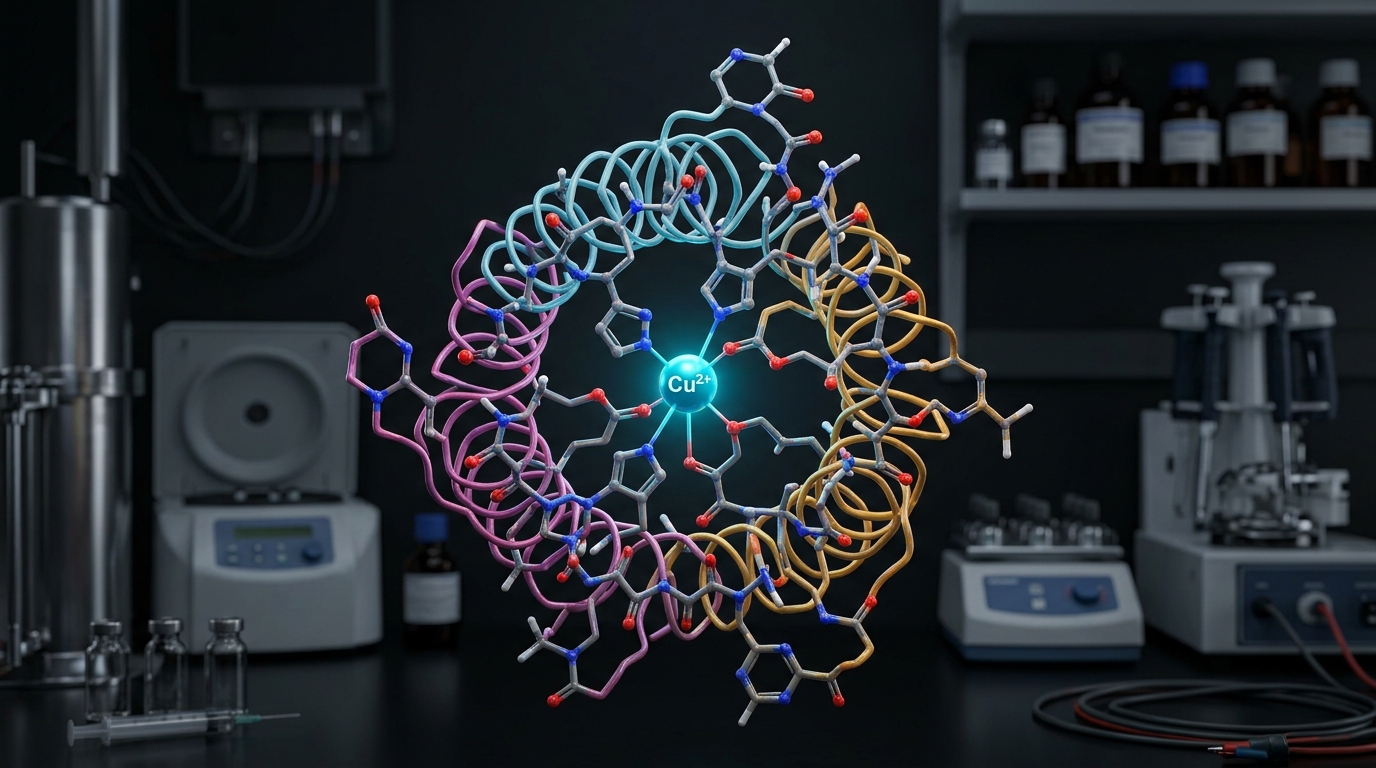
- GHK-Cu: A naturally occurring copper-complexed tripeptide (glycyl-L-histidyl-L-lysine) found in human plasma, saliva, and urine. GHK-Cu acts as a signaling factor in extracellular matrix (ECM) remodeling, stimulating the synthesis of collagen, elastin, and glycosaminoglycans while modulating tissue metalloproteinases.
In retail and non-clinical research spaces, these peptides are sometimes marketed in individual lyophilized (freeze-dried) vials or pre-blended into a single multidose container. However, grouping these agents into a single therapeutic narrative obscures major differences in their pharmacological profiles, clinical development stages, and toxicology.
Clinical Evidence: Isolated Data vs. Combined Reality
Proponents of the GLOW stack argue that combining extracellular matrix remodeling (via GHK-Cu), vascular angiogenesis (via BPC-157), and cell migration (via TB-500) produces a synergistic healing cascade. In pharmacology, however, synergy cannot be inferred from overlapping mechanisms; it must be demonstrated through rigorous pharmacokinetic and pharmacodynamic testing. To date, there is no published laboratory study or clinical trial that has evaluated the three peptides administered concurrently.
Preclinical Evidence for Individual Components
The scientific literature supporting the individual peptides is unevenly distributed:
- BPC-157: The vast majority of published studies on BPC-157 have been conducted in rodent models of tendon laceration, ligament repair, gastrointestinal fistulas, and vascular occlusion. While these animal studies consistently report accelerated healing kinetics and reduced inflammatory markers, they originate almost entirely from a single research cluster, and independent replication in large mammals is minimal. Published human trials are virtually nonexistent, leaving its pharmacokinetics, optimal systemic dosing, and human tissue distribution unverified.
- TB-500: Preclinical work on the central Tβ4 fragment demonstrates that it promotes keratinocyte and endothelial cell migration by preventing G-actin polymerization into F-actin filaments. However, many commercial claims conflate studies conducted on the full-length, endogenous 43-amino-acid Thymosin Beta-4 protein with TB-500. The isolated 7-amino-acid fragment lacks several structural domains of the parent protein and has not been comprehensively evaluated in formal human clinical trials.
- GHK-Cu: GHK-Cu possess the strongest clinical data, primarily in topical dermatological formulations. Controlled human trials have demonstrated that topical GHK-Cu cream improves skin elasticity, reduces fine line depth, and enhances keratinocyte proliferation. However, human data investigating systemic or subcutaneous administration of GHK-Cu for internal injury or systemic rejuvenation remain sparse.
Regulatory Status of the GLOW Peptide Stack
A central misconception surrounding the GLOW peptide stack is that its presence in medical spas, anti-aging clinics, and online research portals implies regulatory validation. In truth, no health authority has granted approval to the GLOW stack or its constituent peptides for general medical or cosmetic use.
FDA Compounding Framework: Section 503A and Category 2
In the United States, drug compounding is regulated under Sections 503A and 503B of the Federal Food, Drug, and Cosmetic Act (FD&C Act). Under Section 503A, a compounding pharmacy may only compound drugs using bulk drug substances that appear on an official United States Pharmacopeia (USP) or National Formulary (NF) monograph, are components of FDA-approved drugs, or appear on the FDA 503A Bulks List.
Neither BPC-157, TB-500, nor injectable GHK-Cu meets these statutory criteria. In late 2023, the FDA categorized BPC-157 and the LKKTETQ fragment of Thymosin Beta-4 (TB-500) under Category 2 of its interim compounding policy. Category 2 identifies bulk drug substances that raise significant safety concerns, advising compounders that the agency considers their distribution in compounded forms inappropriate.
In mid-2026, procedural updates occurred when several parties withdrew nominations for these substances, leading to their removal from the static Category 2 list. While commercial vendors often characterized this procedural withdrawal as a regulatory “green light,” the FDA and legal counsel confirmed that removal from Category 2 does not confer compounding clearance. The substances do not reside on the 503A Bulks List, and the FDA Pharmacy Compounding Advisory Committee (PCAC) convened in July 2026 to deliberate on these compounds. Even when advisory committees issue recommendations, formal notice-and-comment rulemaking is required before any substance gains lawful compounding authority. As such, marketing the GLOW stack as a compliant compounded therapeutic misrepresents U.S. pharmaceutical law.
Anti-Doping Regulations
For competitive athletes, the regulatory status is unequivocal. The World Anti-Doping Agency includes BPC-157 on its Prohibited List under Category S0 (Non-Approved Substances, covering compounds with no current approval by any government regulatory health authority for human therapeutic use). TB-500 and Thymosin Beta-4 are prohibited under Category S2 (Peptide Hormones, Growth Factors, Related Substances, and Mimetics) due to their potential to influence cellular adaptation and tissue repair. Testing positive for these peptides triggers severe athletic sanctions.
Safety Gaps, Immunogenicity, and Formulation Risks
The absence of formal Phase I–III clinical development programs creates major safety blind spots for the GLOW peptide stack. When multiple investigational peptides are pooled, biological and chemical risks multiply.
1. Immunogenicity and Protein Aggregation
The FDA flagged immunogenicity—the tendency of a molecule to provoke an unwanted immune response—as a primary safety rationale for restricting both BPC-157 and TB-500 in compounding. Synthetic peptides, particularly short fragments, can self-aggregate into multimers or misfolded conformations in solution. The immune system recognizes these aggregates as foreign, potentially generating anti-drug antibodies (ADAs). In severe instances, cross-reactive antibodies can neutralize endogenous functional proteins, leading to secondary autoimmune reactions or hypersensitivity.
2. Chemical Incompatibility and Unknown Degradation
Reconstituting GHK-Cu alongside BPC-157 and TB-500 introduces complex chemical dynamics. GHK-Cu contains a divalent copper ion (Cu2+) coordinated by histidine and lysine residues. Free or loosely bound transition metals can catalyze reactive oxygen species (ROS) generation via Fenton-like chemistry. In an uncharacterized multi-peptide liquid formulation, this can accelerate oxidative cleavage, deamidation, and degradation of adjacent peptide sequences, altering stability and biological activity.
3. Unregulated Supply Chains and Adulteration
Because the GLOW peptide stack cannot be lawfully dispensed as an approved prescription medicine, products sold online are labeled as “research chemicals” or “for laboratory research only”. These channels bypass the Current Good Manufacturing Practice (cGMP) regulations enforced by the FDA. Independent analytical assessments of research peptides have repeatedly identified:
- Discrepancies between labeled and actual peptide concentrations.
- Residual organic solvents (such as trifluoroacetic acid, or TFA) left over from solid-phase peptide synthesis.
- Truncated sequence fragments and diastereomeric peptide impurities.
- Bacterial endotoxin contamination resulting from non-sterile manufacturing.
4. Theoretical Oncogenic and Angiogenic Risks
Both BPC-157 and TB-500 act through pathways that stimulate angiogenesis, endothelial migration, and cell survival. While physiological angiogenesis is essential for wound healing, uncontrolled angiogenic signaling is a recognized hallmark of tumor progression. In subjects with undiagnosed pre-malignant or malignant lesions, exogenous upregulation of VEGF and actin-mediated cell motility represents an unquantified oncological hazard.
Frequently Asked Questions
Is the GLOW peptide stack approved by the FDA?
No. Neither the GLOW peptide stack as a combination nor its individual components (BPC-157, TB-500, or injectable GHK-Cu) have received FDA approval for any medical condition or cosmetic indication.
Can compounding pharmacies legally prescribe the GLOW stack?
Under federal regulations governing Section 503A pharmacies, bulk substances used in compounding must have an active USP monograph, be part of an FDA-approved drug, or appear on the official 503A Bulks List. BPC-157 and TB-500 satisfy none of these requirements. While recent advisory committee discussions have taken place, the stack remains outside lawful compounding authority.
What is the difference between TB-500 and Thymosin Beta-4?
Thymosin Beta-4 is a naturally occurring, full-length protein consisting of 43 amino acids. TB-500 is a shorter synthetic fragment containing the actin-binding sequence LKKTETQ. Research on full-length Thymosin Beta-4 cannot be directly equated to TB-500, as the fragment exhibits distinct pharmacokinetic properties and lacks other regulatory functional domains.
Are there any published human trials demonstrating that the stack works?
No. While individual components like topical GHK-Cu have published human cosmetic studies, there are no published human clinical trials investigating the GLOW peptide stack as a combined intervention.
Research Summary
The GLOW peptide stack represents an investigational pairing of BPC-157, TB-500, and GHK-Cu that has gained substantial visibility through digital wellness channels. Scientifically, however, the foundation supporting this stack remains overwhelmingly preclinical. Evidence for BPC-157 and TB-500 is largely confined to rodent wound-healing and in vitro models, while human data for GHK-Cu center almost entirely on topical skin applications rather than systemic injections. Crucially, no controlled clinical trials have demonstrated that combining these three peptides yields additive or synergistic tissue repair in humans.
From a regulatory standpoint, none of the three peptides are FDA-approved drugs. Federal regulatory actions, including advisory reviews regarding bulk compounding, highlight critical safety gaps that include potential immunogenicity, unknown systemic toxicity, metal-catalyzed degradation, and unregulated manufacturing. Until randomized, placebo-controlled clinical trials characterize its pharmacokinetic profile, biological safety, and efficacy in humans, the GLOW peptide stack remains an unproven experimental entity that carries unquantified clinical risks.
References
- U.S. Food and Drug Administration. Bulk Drug Substances Used in Compounding Under Section 503A of the FD&C Act. Available from: FDA 503A Bulks Framework.
- U.S. Food and Drug Administration. Certain Bulk Drug Substances for Use in Compounding that May Present Significant Safety Risks (Category 2). Available from: FDA Compounding Safety Notices.
- U.S. Food and Drug Administration. Meeting of the Pharmacy Compounding Advisory Committee (PCAC). July 2026. Available from: FDA Advisory Committee Materials.
- World Anti-Doping Agency. The Prohibited List: S0 Non-Approved Substances and S2 Peptide Hormones. Available from: WADA Prohibited List.
- Pickart, L., & Margolina, A. Regenerative and Protective Actions of the GHK-Cu Peptide in the Light of the New Gene Data. International Journal of Molecular Sciences. 2018; 19(7): 1987.
- Seiwerth, S., et al. BPC 157 and Standard Angiogenic Growth Factors. Current Pharmaceutical Design. 2018; 24(18): 1972-1989.
- Philp, D., & Kleinman, H. K. Animal Studies with Thymosin Beta 4, a Multifunctional Tissue Repair and Regenerative Peptide. Annals of the New York Academy of Sciences. 2010; 1194(1): 81-86.