Key Takeaways
- Not a peptide: 5-Amino-1MQ (5-amino-1-methylquinolinium) is a synthetic, small-molecule quinolinium derivative that selectively inhibits nicotinamide N-methyltransferase (NNMT).
- Regulatory standing: 5-Amino-1MQ is an unapproved investigational research chemical; it is not approved by the U.S. Food and Drug Administration (FDA) for any medical condition and does not have an approved compounding monograph.
- Preclinical evidence base: Published physiological and metabolic data are derived exclusively from in vitro cell models and rodent studies (typically 11- to 28-day exposure windows).
- Zero human clinical trials: As of current medical literature, no completed or published human randomized controlled trials evaluate the safety, pharmacokinetics, or efficacy of 5-Amino-1MQ in humans.
- Critical safety gaps: Comprehensive systemic toxicology, long-term cardiovascular outcomes, organ-specific methylation impacts, and drug interaction profiles remain uncharacterized in clinical populations.
What Is 5-Amino-1MQ?
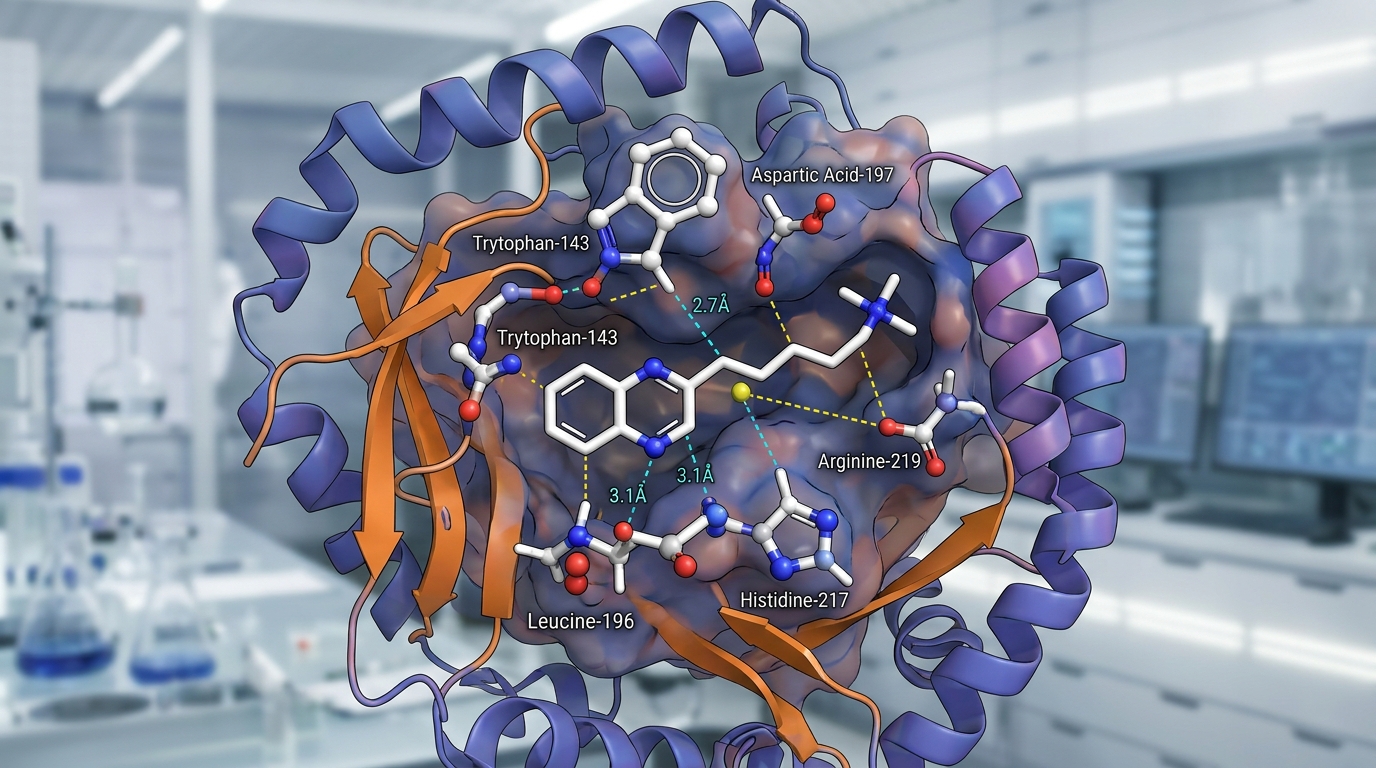
5-Amino-1MQ (5-amino-1-methylquinolinium) is a synthetic small-molecule inhibitor engineered to target nicotinamide N-methyltransferase (NNMT). Although frequently discussed in peptide research communities and longevity forums, 5-Amino-1MQ contains no amino acid chains and is chemically classified as a quinolinium salt.
NNMT is a cytosolic metabolic enzyme expressed primarily in the liver and adipose tissue. It catalyzes the transfer of a methyl group from S-adenosylmethionine (SAM) to nicotinamide (NAM), generating 1-methylnicotinamide (1-MNA) and S-adenosylhomocysteine (SAH). In states of metabolic dysfunction and obesity, NNMT expression in white adipose tissue is significantly upregulated. By acting as a molecular “drain” on both methyl donors (SAM) and NAD+ precursors (NAM), NNMT overexpression alters cellular energy balance and downregulates metabolic flux.
5-Amino-1MQ was developed to permeate cell membranes and selectively block NNMT activity (exhibiting an IC50 of approximately 1.2 μM) without cross-inhibiting related methyltransferases or enzymes in the NAD+ salvage pathway. By inhibiting this enzyme, the compound preserves cellular SAM and NAD+ pools, altering adipocyte metabolism and energy expenditure in preclinical models.
5-Amino-1MQ Safety: Findings from Preclinical Research
Current understanding of 5-Amino-1MQ safety and pharmacology rests entirely on laboratory cell cultures and animal models. Across published preclinical trials, investigators have primarily evaluated short-term metabolic markers and organ histopathology in mice.
In initial rodent models of diet-induced obesity, systemic administration of 5-Amino-1MQ over an 11-day period led to reductions in white adipose tissue mass, decreases in adipocyte size, and improved plasma lipid profiles without altering overall food intake. In these early trials, researchers reported no overt behavioral toxicities, weight loss among lean control animals, or immediate lethal reactions during the short observation window.
A subsequent 28-day pharmacokinetic and pharmacodynamic study evaluated daily administration of 5-Amino-1MQ in diet-induced obese mice. The study confirmed dose-dependent tissue distribution across liver, skeletal muscle, and adipose compartments. Histological analysis of liver tissue revealed reduced hepatic steatosis (fat accumulation) and attenuated macrophage infiltration. Furthermore, circulating levels of liver transaminases (alanine transaminase and aspartate transaminase) did not show signs of compound-induced hepatocellular injury; rather, elevated baseline transaminases normalized toward lean control values.
While these initial observations indicate that 5-Amino-1MQ exhibits high selectivity in vitro and avoids acute liver toxicity in short-term rodent models, they do not constitute a formal toxicological evaluation. Standard safety assessments—such as formal good laboratory practice (GLP) toxicology, genotoxicity assays, safety pharmacology testing of cardiac ion channels (such as hERG), and multi-species toxicity evaluations—have not been released in the peer-reviewed literature.
Regulatory Status and Legal Classifications
The regulatory and legal status of 5-Amino-1MQ is unambiguous under federal health statutes:
- FDA Approval Status: 5-Amino-1MQ has never received approval from the U.S. Food and Drug Administration (FDA) for any diagnostic, preventative, or therapeutic indication. It remains strictly an investigational, preclinical research chemical.
- Compounding Pharmacy Standing: 5-Amino-1MQ does not appear on the FDA Category 1 list of bulk drug substances nominated for compounding under Section 503A or Section 503B of the Federal Food, Drug, and Cosmetic Act. Consequently, compounding pharmacies have no legal authorization to formulate, distribute, or dispense 5-Amino-1MQ for human clinical use.
- Controlled Substance Classification: 5-Amino-1MQ is not scheduled under the U.S. Controlled Substances Act (CSA). However, distributing or selling unapproved substances for human therapeutic consumption falls under federal enforcement actions targeting unapproved new drugs and misbranding violations.
- “Research Use Only” Labeling: The compound is commercially manufactured exclusively for laboratory experimentation and preclinical scientific research. Labeling a substance as “for research use only” does not provide legal cover for human administration.
The Clinical Evidence Gap: Absence of Human Trials
The most prominent limitation regarding 5-Amino-1MQ is the complete absence of published human clinical data. Despite speculative interest in the compound for fat loss, body recomposition, and metabolic enhancement, several key clinical evidence gaps remain:
- Zero Registered Human Efficacy Trials: Comprehensive registry searches across clinical trial databases yield no completed, peer-reviewed Phase 2 or Phase 3 trials evaluating therapeutic endpoints, optimal dosages, or physiological outcomes in human subjects.
- Unknown Human Pharmacokinetics: While rodent studies indicate clear passive permeability and active transport, human absorption rates, oral bioavailability, plasma half-life, active metabolites, and routes of excretion have not been characterized in clinical pharmacokinetic trials.
- Translational Disconnect: Rodent metabolism, adipocyte distribution, and basal energy expenditure differ significantly from human physiology. Findings in diet-induced obese mice cannot be extrapolated to predict human clinical outcomes, body composition changes, or long-term safety.
Unresolved Safety Questions and Biological Risks
Because NNMT acts at the intersection of cellular methylation pathways and NAD+ biosynthesis, sustained pharmacological inhibition introduces several theoretical and physiological questions that remain unresolved:
- Systemic Methylation Dynamics: NNMT consumes SAM and generates SAH, influencing the universal SAM/SAH methylation ratio. While inhibiting NNMT preserves SAM in adipocytes, the systemic downstream consequences on global DNA methylation, histone modifications, and epigenetic stability in non-target tissues (such as the brain and reproductive organs) are poorly characterized over prolonged exposure windows.
- 1-MNA Depletion Effects: Although excessive NNMT activity is linked to metabolic disease, its metabolic product, 1-methylnicotinamide (1-MNA), exerts endogenous physiological roles, including local anti-inflammatory and antithrombotic effects in vascular endothelium. The potential long-term cardiovascular effects of sustained 1-MNA suppression in humans remain unexplored.
- Lack of Long-Term Organ Toxicology: No published studies have assessed 5-Amino-1MQ exposure beyond several weeks. Carcinogenicity, teratogenicity, reproductive toxicity, and chronic renal and cardiovascular impacts remain entirely unknown.
- Product Adulteration and Quality Variance: Because 5-Amino-1MQ is distributed primarily via unregulated gray-market research vendors, independent testing often reveals variations in purity, presence of synthetic precursors, solvent residues, and inaccurate active ingredient concentrations.
Frequently Asked Questions
Is 5-Amino-1MQ approved by the FDA for weight loss?
No. 5-Amino-1MQ has never been reviewed or approved by the FDA for weight loss, obesity management, or any other medical use. It is strictly classified as an investigational research compound.
Is 5-Amino-1MQ a peptide?
No. Despite being widely marketed by peptide vendors and discussed on longevity forums, 5-Amino-1MQ is a synthetic small-molecule quinolinium derivative. It contains no amino acid chains or peptide bonds.
What side effects have been documented in human studies?
There are no documented human side effects in medical literature because no formal human clinical trials have evaluated 5-Amino-1MQ. Any safety claims or side effect lists circulating online are based on anecdotal reports or extrapolated from short-term rodent studies.
Can physicians legally prescribe 5-Amino-1MQ?
No. Because 5-Amino-1MQ is not an FDA-approved drug and is not included on the FDA’s approved bulk substances list for 503A or 503B compounding pharmacies, it cannot be legally prescribed or compounded for clinical patient care in the United States.
Research Summary
5-Amino-1MQ is a selective, small-molecule inhibitor of the enzyme nicotinamide N-methyltransferase (NNMT). Preclinical animal studies in diet-induced obese mice have shown encouraging preliminary findings, including reduced adiposity, lower cholesterol levels, and normalized liver transaminases over short durations without observable behavioral toxicity. However, human evidence is entirely lacking: there are currently zero published randomized controlled clinical trials evaluating its safety, bioavailability, dosing, or therapeutic efficacy. 5-Amino-1MQ is not FDA-approved, is ineligible for standard pharmacy compounding, and remains restricted to laboratory research settings.
References
- Neelakantan, H., et al. (2018). Selective and membrane-permeable small molecule inhibitors of nicotinamide N-methyltransferase reverse high fat diet-induced obesity in mice. Biochemical Pharmacology, 147, 141–152. PMC5826726
- Dimet-Wiley, A., et al. (2024). Nicotinamide N-methyltransferase inhibition mitigates obesity-related metabolic dysfunction. Diabetes, Obesity and Metabolism, 26(11), 5122–5133. PMC11622326
- Gao, Y., et al. (2021). Roles of Nicotinamide N-Methyltransferase in Obesity and Type 2 Diabetes. Metabolites, 11(8), 498. PMC8398910
- U.S. Food and Drug Administration. (2024). Bulk Drug Substances Nominated for Use in Compounding Under Section 503A. FDA.gov
- Kannt, A., et al. (2018). A small molecule inhibitor of Nicotinamide N-methyltransferase for the treatment of metabolic disorders. Scientific Reports, 8, 3660. PMC5829141