Key Takeaways
- Receptor Divergence: Erythropoietin (EPO) activates both the classical homodimeric receptor (EPOR)2 to stimulate red blood cell production and the heterodimeric Innate Repair Receptor (IRR; EPOR/CD131) to initiate tissue cytoprotection.
- Selective Peptide Design: ARA-290 (cibinetide) is an 11-amino-acid synthetic peptide modeled on EPO’s helix B domain that binds exclusively to the IRR without triggering hematopoiesis.
- Safety Differentiation: Native EPO poses significant clinical risks when used for tissue repair due to polycythemia, increased blood viscosity, and thrombosis. ARA-290 circumvents these hematological side effects entirely.
- Clinical Focus: ARA-290 has been investigated primarily in Phase II trials for neuropathic conditions, including sarcoidosis-associated small fiber neuropathy and diabetic peripheral neuropathy.
- Regulatory Status: ARA-290 remains an unapproved investigational compound and is not cleared by the FDA for therapeutic use.
The Dual Nature of Erythropoietin Biology
Erythropoietin (EPO) is historically recognized as a renal glycoprotein hormone essential for regulating red blood cell production (erythropoiesis). When cellular oxygen tension decreases, hypoxia-inducible factors stimulate renal EPO synthesis, which travels to bone marrow erythroblasts to promote survival, proliferation, and differentiation.
However, basic research in the late 1990s and early 2000s uncovered a secondary biological role for EPO: widespread tissue protection. In preclinical models of stroke, myocardial infarction, and peripheral nerve injury, pharmacological administration of recombinant human EPO (rhEPO) demonstrated potent anti-inflammatory, anti-apoptotic, and regenerative effects.
Despite these protective qualities, translating high-dose rhEPO into therapeutic applications for non-hematological injuries failed due to significant adverse events. Sustained activation of erythroid receptors caused dangerous elevations in hematocrit, red blood cell mass, blood viscosity, and platelet reactivity, dramatically elevating the incidence of hypertension, thrombosis, and stroke. This clinical barrier motivated the search for compounds that could preserve tissue protection while completely eliminating hematopoietic stimulation.
Receptor Mechanisms: (EPOR)2 vs. the Innate Repair Receptor
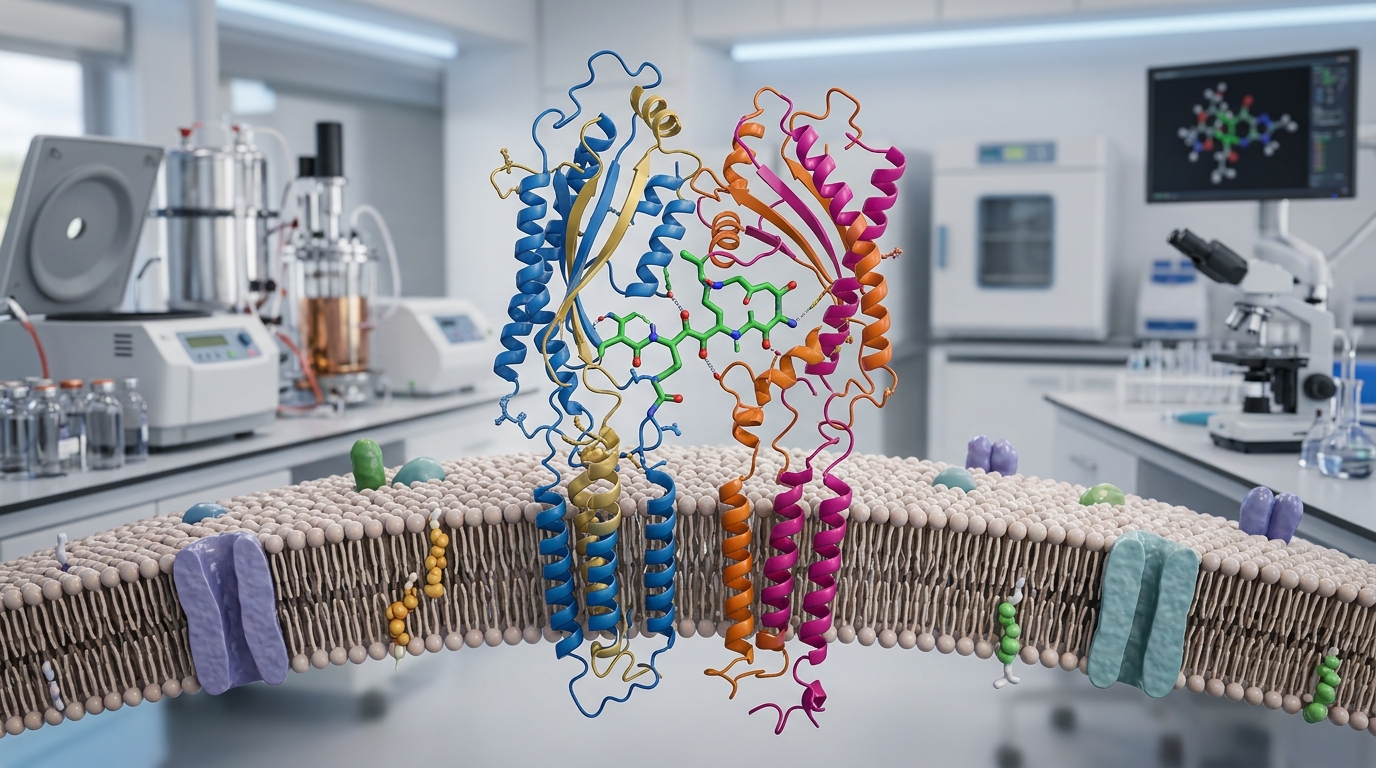
The biological divergence between erythropoiesis and tissue protection stems from distinct receptor architectures. Investigating ARA-290 vs. erythropoietin requires examining how these ligands interact with two separate surface receptor complexes:
1. The Classical Homodimeric Erythropoietin Receptor [(EPOR)2]
Hematopoiesis is mediated by a high-affinity homodimer composed of two identical EPOR subunits [(EPOR)2]. This complex is constitutively expressed on erythroid progenitor cells in bone marrow. Binding by native EPO induces receptor dimer reorientation, triggering intracellular activation of the Janus kinase 2 (JAK2) and Signal Transducer and Activator of Transcription 5 (STAT5) signaling pathways. This cascade drives erythroblast survival and reticulocyte maturation.
2. The Heterodimeric Innate Repair Receptor (EPOR/CD131)
Tissue cytoprotection is mediated by a distinct, lower-affinity heteromeric complex known as the Innate Repair Receptor (IRR). The IRR consists of a single EPOR subunit paired with the common beta chain (CD131 / βcR), a signaling receptor shared with granulocyte-macrophage colony-stimulating factor (GM-CSF), interleukin-3 (IL-3), and interleukin-5 (IL-5).
Unlike (EPOR)2, the IRR is rarely expressed on healthy cells under resting conditions. Instead, its expression is rapidly upregulated in response to local cellular stress, metabolic injury, ischemia, and pro-inflammatory cytokines such as TNF-alpha. Activation of the IRR recruits alternative intracellular cascades, including the PI3K/Akt and MAPK pathways, which suppress pro-inflammatory cytokine secretion, inhibit caspase-dependent apoptosis, and stimulate cellular survival and tissue remodeling.
Molecular Architecture and Selectivity of ARA-290
ARA-290 (cibinetide) is a synthetic 11-amino-acid peptide (sequence: Pyr-Glu-Gln-Leu-Glu-Arg-Ala-Leu-Asn-Ser-Ser) derived from the aqueous-exposed face of EPO’s helix B domain. Structural biology research revealed that the binding interface required for the IRR is spatially distinct from the interface required to bridge the two subunits of the classical (EPOR)2 homodimer.
By isolating this specific 11-amino-acid motif, researchers engineered a molecule that:
- Selectively binds the EPOR/CD131 heterodimer: ARA-290 initiates the protective, anti-inflammatory, and reparative signaling programs of the IRR.
- Lacks affinity for the (EPOR)2 homodimer: Because ARA-290 cannot cross-link two EPOR monomers, it exhibits zero hematopoietic activity and does not stimulate reticulocyte production, increase hematocrit, or alter blood viscosity.
- Displays distinct pharmacokinetics: ARA-290 has a short plasma half-life (approximately several minutes), yet it triggers long-lasting intracellular repair cascades that persist well after peptide clearance.
Preclinical Research: Neuroprotection and Metabolic Stress
Preclinical studies have extensively evaluated ARA-290 across varied models of acute and chronic tissue injury:
- Peripheral Neuropathy: In rodent models of nerve constriction and metabolic neuropathy, ARA-290 attenuated thermal hyperalgesia and mechanical allodynia. Mechanistic studies indicated that IRR activation reduced microglial activation and macrophage infiltration in dorsal root ganglia and peripheral nerves.
- Ischemia-Reperfusion Injury: Laboratory models of renal, myocardial, and cerebral ischemia demonstrated that ARA-290 reduced infarct volume and cellular necrosis by preserving mitochondrial integrity and limiting apoptosis.
- Angiogenesis and Vascular Endothelial Repair: Research has shown that ARA-290 enhances the migratory capacity and homing function of endothelial colony-forming cells (ECFCs), facilitating microvascular repair following ischemic insult.
Clinical Research Findings for ARA-290
ARA-290 has advanced through exploratory Phase II clinical trials, providing empirical insights into how selective IRR activation functions in humans.
Sarcoidosis-Associated Small Fiber Neuropathy
Small fiber neuropathy (SFN) in sarcoidosis involves the selective degeneration of thinly myelinated A-delta and unmyelinated C-fibers, causing severe neuropathic pain, paresthesias, and autonomic dysregulation. In randomized, double-blind, placebo-controlled Phase II trials led by researchers at Leiden University Medical Center, daily administration of ARA-290 demonstrated significant improvements in patient-reported neuropathic symptom scores (such as the Small Fiber Neuropathy Screening List).
Importantly, investigators utilized corneal confocal microscopy (CCM) as an objective structural endpoint. Patients receiving 4 mg daily doses of cibinetide exhibited statistically significant increases in corneal nerve fiber density (CNFD) and abundance compared to placebo, suggesting potential structural nerve fiber regeneration alongside symptomatic relief.
Type 2 Diabetic Neuropathy
A Phase II randomized trial investigated ARA-290 (4 mg daily subcutaneously for 28 days) in patients with type 2 diabetes and painful peripheral neuropathy. The study observed significant reductions in neuropathic symptoms (evaluated via the PainDetect scale) as well as improvements in glycemic parameters (HbA1c) and lipid profiles during the 56-day observation period. Subjects with baseline nerve loss also showed increases in corneal nerve fiber density.
Safety Profile and Comparative Limitations
Across Phase II trials, ARA-290 demonstrated a favorable safety and tolerability profile without significant drug-related adverse events. Hematological parameters—including red blood cell count, hemoglobin concentration, and hematocrit—remained unchanged throughout dosing periods, validating the biological premise that ARA-290 avoids erythropoietic stimulation.
Nevertheless, several limitations remain in the published literature:
- Sample Sizes: Human trials completed to date have been exploratory Phase II studies with small cohorts (generally 20 to 65 participants).
- Durability and Dosing Schedules: The optimal duration of treatment, long-term permanence of nerve regeneration, and necessity of maintenance regimens remain unestablished.
- Phase III Confirmation: No large-scale Phase III trials have confirmed efficacy across broader patient populations.
Regulatory Status
ARA-290 (cibinetide) is an investigational drug. It has not been approved by the United States Food and Drug Administration (FDA), European Medicines Agency (EMA), or any other national regulatory body for clinical treatment. It is restricted strictly to preclinical and clinical laboratory research. Recombinant erythropoietin (rhEPO), by contrast, is FDA-approved solely for specific hematological indications, such as anemia associated with chronic kidney disease or chemotherapy.
Frequently Asked Questions
Does ARA-290 increase red blood cell counts or hemoglobin?
No. ARA-290 was engineered specifically without the binding motif necessary to activate the homodimeric erythropoietin receptor [(EPOR)2] that governs erythropoiesis. Clinical trials have verified that hemoglobin and hematocrit levels remain unchanged during ARA-290 administration.
What is the biological difference between (EPOR)2 and the Innate Repair Receptor?
(EPOR)2 is a homodimer found on erythroid precursors that drives red blood cell proliferation. The Innate Repair Receptor (IRR) is a heterodimer composed of one EPOR subunit and one common beta chain (CD131), expressed on injured or inflamed tissues to initiate cellular protection, decrease inflammation, and promote repair.
Can native erythropoietin be used interchangeably for tissue repair?
No. While native erythropoietin activates the IRR, doing so at doses required for tissue repair also stimulates the hematopoietic receptor, creating significant risks of thrombosis, polycythemia, hypertension, and cardiovascular events.
What conditions have been studied with ARA-290 in humans?
Published human Phase II trials have primarily evaluated ARA-290 in patients with sarcoidosis-associated small fiber neuropathy and type 2 diabetic peripheral neuropathy.
Research Summary
The comparative scientific value of ARA-290 relative to erythropoietin lies in receptor selectivity. While native EPO stimulates both red blood cell production via (EPOR)2 and tissue protection via EPOR/CD131, ARA-290 selectively activates the latter. Preclinical models and Phase II clinical trials demonstrate that ARA-290 promotes anti-inflammatory signaling and small nerve fiber repair without inducing hematological side effects. However, ARA-290 remains an unapproved investigational compound requiring larger Phase III trials to validate its therapeutic viability.
References
- Brines, M., et al. (2014). ARA 290, a Nonerythropoietic Peptide Engineered from Erythropoietin, Improves Metabolic Control and Neuropathic Symptoms in Patients with Type 2 Diabetes. Molecular Medicine, 20(1), 658-666. https://www.ncbi.nlm.nih.gov/pmc/articles/PMC4365069/
- Dahan, A., et al. (2014). ARA 290 for treatment of small fiber neuropathy in sarcoidosis. Expert Opinion on Investigational Drugs, 23(4), 555-563. https://pubmed.ncbi.nlm.nih.gov/24555851/
- Heij, L., et al. (2012). Safety and Efficacy of ARA 290 in Sarcoidosis Patients with Symptoms of Small Fiber Neuropathy: A Randomized, Double-Blind Pilot Study. Molecular Medicine, 18(1), 1430-1436. https://www.ncbi.nlm.nih.gov/pmc/articles/PMC3563705/
- Culver, D. A., et al. (2017). Cibinetide Improves Corneal Nerve Fiber Abundance in Patients With Sarcoidosis-Associated Small Nerve Fiber Loss and Neuropathic Pain. Investigative Ophthalmology & Visual Science, 58(6), BIO52-BIO60. https://pubmed.ncbi.nlm.nih.gov/28475692/
- Watanabe, T., et al. (2016). ARA290, a Specific Agonist of Erythropoietin/CD131 Heteroreceptor, Improves Circulating Endothelial Progenitors’ Angiogenic Potential and Homing Ability. Circulation Journal, 80(11), 2358-2366. https://pubmed.ncbi.nlm.nih.gov/27725357/