Key Takeaways
- Dual Receptor Agonist: Survodutide (BI 456906) is an investigational acylated peptide that activates both the glucagon-like peptide-1 (GLP-1) and glucagon (GCGR) receptors.
- Distinct Metabolic Pathways: Activation of GLP-1 receptors suppresses appetite and slows gastric emptying, while glucagon receptor agonism directly increases hepatic lipid oxidation and whole-body energy expenditure.
- Clinical Trial Evidence: Phase 2 randomized clinical trials report significant reductions in liver steatosis, resolution of metabolic dysfunction-associated steatohepatitis (MASH) without worsening fibrosis, and meaningful body weight reduction in adults with overweight or obesity.
- Regulatory Status: Survodutide is an investigational compound undergoing Phase 3 clinical evaluation and is not approved by the U.S. FDA or other regulatory bodies for clinical use.
What Is Survodutide?
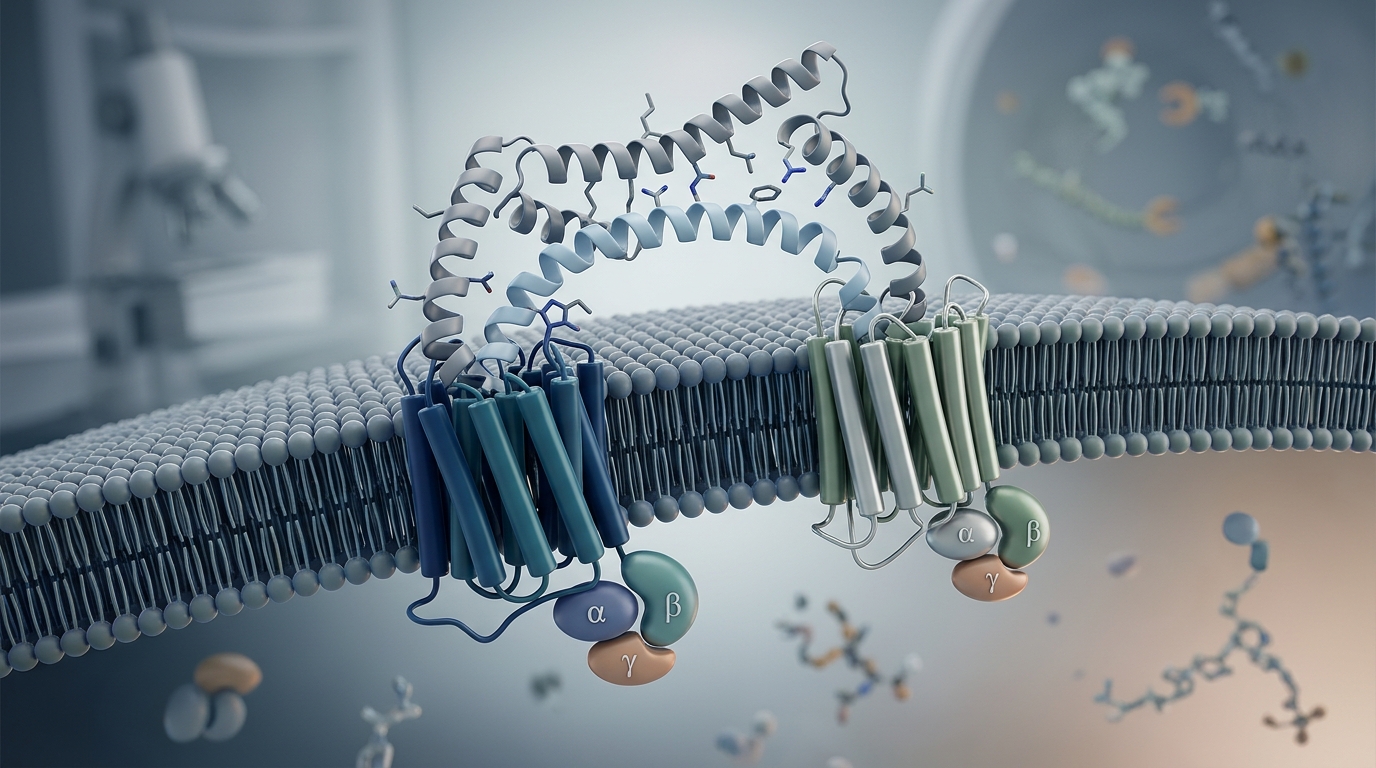
Survodutide (code name BI 456906) is a synthetic, long-acting peptide therapeutic co-developed by Boehringer Ingelheim and Zealand Pharma. Structurally, it is an acylated peptide analog designed to provide balanced, simultaneous agonism at two distinct class B G-protein coupled receptors: the glucagon-like peptide-1 receptor (GLP-1R) and the glucagon receptor (GCGR).
While approved incretin-based therapeutics target GLP-1 alone (such as semaglutide) or GLP-1 combined with glucose-dependent insulinotropic polypeptide (GIP, such as tirzepatide), survodutide incorporates glucagon signaling to specifically leverage hepatic lipid metabolism and systemic thermogenesis alongside classical appetite regulation.
Mechanism of Action and Biological Targets
The pharmacology of survodutide relies on the coordinated activation of complementary metabolic pathways across multiple organ systems.
1. GLP-1 Receptor Agonism
GLP-1 is an incretin hormone secreted by enteroendocrine L-cells in response to nutrient intake. Binding of survodutide to GLP-1 receptors initiates the following physiological responses:
- Central Appetite Regulation: Survodutide acts on GLP-1 receptors located in the arcuate nucleus of the hypothalamus and the hindbrain, enhancing satiety signals and reducing caloric intake.
- Delayed Gastric Emptying: Slowed gastric transit blunts postprandial glycemic excursions.
- Glucose-Dependent Insulin Secretion: Binding to pancreatic beta-cell GLP-1 receptors enhances insulin release only under elevated blood glucose conditions, mitigating hypoglycemia risk.
2. Glucagon Receptor (GCGR) Agonism
Historically viewed primarily as a counter-regulatory hormone driving hepatic glucose production, glucagon also plays a critical role in lipid turnover and energy balance. Survodutide activates hepatic and systemic GCGR signaling to drive:
- Hepatic Beta-Oxidation: Glucagon stimulates hepatic mitochondrial fat oxidation and reduces de novo lipogenesis, directly decreasing intrahepatic triglyceride accumulation.
- Energy Expenditure: GCGR activation stimulates thermogenesis and basal metabolic rate, countering the metabolic adaptation (drop in energy expenditure) frequently observed during sustained caloric restriction.
- Bile Acid and Lipid Clearance: Glucagon signaling modulates hepatic lipid export and bile acid synthesis pathways.
Human Clinical Evidence
Clinical evaluation of survodutide spans multiple Phase 1 and Phase 2 trials focusing on metabolic dysfunction-associated steatohepatitis (MASH, formerly NASH), type 2 diabetes, and obesity.
Metabolic Dysfunction-Associated Steatohepatitis (MASH)
In a landmark Phase 2 randomized, double-blind, placebo-controlled trial published in The New England Journal of Medicine (2024), survodutide was evaluated in adults with biopsy-confirmed MASH and stage F1 to F3 fibrosis over 48 weeks:
- Up to 83.0% of participants receiving survodutide achieved histologic improvement of MASH without worsening of fibrosis, compared to 18.2% in the placebo cohort.
- Significant reductions in liver fat content (measured by MRI-PDFF) were observed, with relative reductions exceeding 60% in higher dose tiers.
- A statistically significant proportion of patients demonstrated improvement in liver fibrosis stages (at least one stage improvement) without worsening of MASH compared to baseline.
Obesity and Weight Management
A Phase 2 dose-finding trial evaluated weekly subcutaneous survodutide injections over 46 weeks in adults with overweight or obesity without type 2 diabetes (published in The Lancet, 2024):
- Participants receiving the highest maintenance dose (4.8 mg weekly) achieved a mean body weight reduction of up to 14.9% at 46 weeks, compared to 2.8% in the placebo group.
- Biomarkers of cardiometabolic health, including waist circumference, glycated hemoglobin (HbA1c), systolic and diastolic blood pressure, and plasma lipid profiles, showed dose-dependent improvements.
Safety Profile and Adverse Effects
The safety profile of survodutide observed in clinical trials is largely consistent with the broader GLP-1 receptor agonist drug class, alongside specific considerations related to glucagon agonism:
- Gastrointestinal Events: The most commonly reported adverse events are nausea, vomiting, diarrhea, and constipation, which are predominantly mild to moderate in severity and occur most frequently during initial dose-escalation phases.
- Heart Rate Elevations: Modest, dose-dependent increases in resting heart rate have been noted across clinical trials, consistent with known glucagon receptor and GLP-1 receptor cardiovascular pharmacology.
- Glycemic Dynamics: Despite the intrinsic gluconeogenic potential of glucagon, the concurrent GLP-1 activity prevents persistent hyperglycemia, showing net neutral to beneficial effects on glycemic control in human participants.
Current Regulatory Status
Survodutide is an investigational new drug. It has received Fast Track Designation from the U.S. FDA for the treatment of MASH and is currently progressing through Phase 3 global clinical trials (such as the LINC and SYNCHRONIZE programs) to assess long-term safety, cardiovascular outcomes, and sustained clinical efficacy. It has not received marketing authorization or approval from any national regulatory authority.
Frequently Asked Questions
How does survodutide differ from semaglutide?
Semaglutide is a selective mono-agonist targeting only the GLP-1 receptor. Survodutide is a dual agonist targeting both the GLP-1 receptor and the glucagon receptor. The addition of glucagon activity provides direct stimulation of hepatic fat oxidation and increases metabolic rate beyond appetite suppression alone.
Does glucagon receptor activation raise blood sugar in survodutide trials?
While isolated glucagon raises blood glucose via glycogenolysis and gluconeogenesis, survodutide’s balanced co-activation of GLP-1 receptors stimulates insulin secretion and suppresses inappropriate glucose spikes. Clinical trials show improved or stable glycemic control in both non-diabetic and diabetic cohorts.
Is survodutide approved for weight loss or liver disease?
No. Survodutide remains an investigational compound undergoing Phase 3 clinical evaluation and is not approved by the FDA or EMA for any therapeutic indication.
Research Summary
Survodutide represents a scientifically validated step in multi-receptor metabolic peptide design. By pairing GLP-1 receptor-mediated appetite suppression with glucagon receptor-driven hepatic lipid catabolism and thermogenesis, survodutide demonstrates robust efficacy in Phase 2 trials for both MASH histological improvement and significant body weight reduction. Ongoing Phase 3 trials will define its definitive risk-benefit profile, cardiovascular safety, and regulatory future.