Key Takeaways
- Distinct Central Mechanism: Unlike phosphodiesterase type 5 (PDE5) inhibitors that act peripherally on vascular smooth muscle, PT-141 (bremelanotide) operates centrally as a melanocortin receptor agonist, stimulating hypothalamic pathways involved in sexual arousal and autonomic erectile output.
- Early Clinical Evidence: Phase I and Phase II trials in the early 2000s demonstrated that intranasal and subcutaneous bremelanotide induced penile erections in healthy men, patients with organic or psychogenic erectile dysfunction (ED), and men unresponsive to sildenafil monotherapy.
- Cardiovascular Obstacle: Development of the original intranasal formulation was discontinued after clinical trials revealed dose-dependent, transient elevations in systolic and diastolic blood pressure.
- Regulatory Status: Bremelanotide is approved by the U.S. Food and Drug Administration (FDA) exclusively as a subcutaneous auto-injector for hypoactive sexual desire disorder (HSDD) in premenopausal women; it is not approved for male erectile dysfunction.
- Current Research Focus: Recent exploratory studies have investigated lower-dose subcutaneous formulations co-administered with PDE5 inhibitors to treat non-responders while attempting to minimize hemodynamic side effects.
Introduction: Central Control vs. Peripheral Hemodynamics
Erectile dysfunction (ED) affects hundreds of millions of men globally and is primarily treated with phosphodiesterase type 5 (PDE5) inhibitors, such as sildenafil, tadalafil, and vardenafil. These standard first-line therapies enhance the downstream cyclic guanosine monophosphate (cGMP) signaling cascade in cavernosal smooth muscle, facilitating nitric oxide-mediated vasodilation. However, roughly 30% to 40% of men fail to achieve satisfactory erections with PDE5 inhibitors, especially those with severe diabetic neuropathy, post-prostatectomy nerve injury, or hypogonadal vascular damage.
This therapeutic gap has driven sustained academic and clinical interest in centrally acting erectogenic agents. Among these, the synthetic peptide PT-141, chemically designated as bremelanotide, became a primary focus of neuro-urological research. By targeting central melanocortinergic pathways rather than peripheral penile vasculature, PT-141 represents an entirely different pharmacological class. Nonetheless, its clinical translation for male sexual health has faced substantial hurdles, leaving significant research gaps that persist today.
Mechanism of Action: Melanocortin Receptors in Erectile Function
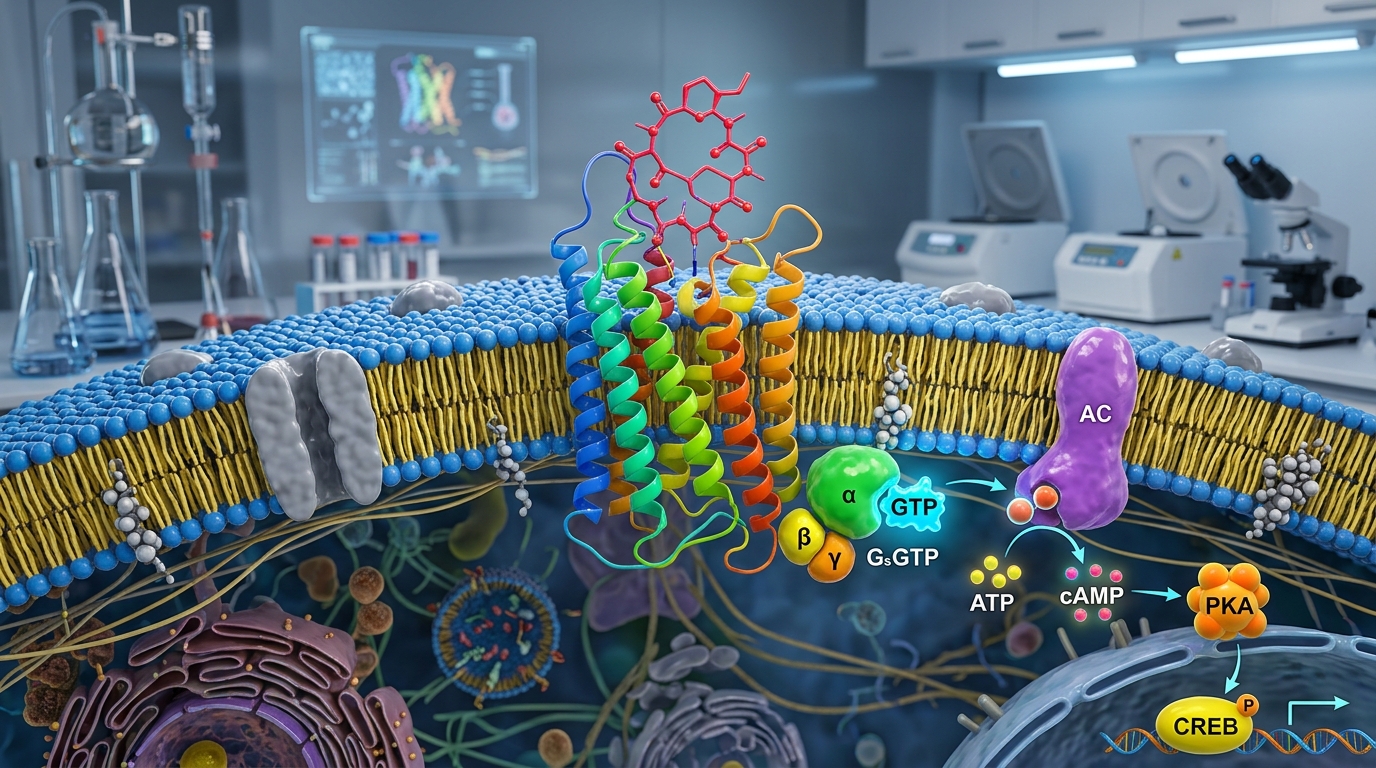
PT-141 is a cyclic heptapeptide analog of alpha-melanocyte-stimulating hormone (α-MSH), derived from the synthetic precursor melanotan II. Preclinical research established that PT-141 binds primarily as an agonist to the melanocortin-4 receptor (MC4R) and melanocortin-3 receptor (MC3R), with lower affinity for MC1R and MC5R.
The neurobiology of melanocortin-driven erection involves central neural circuits:
- Hypothalamic Activation: Autoradiographic and c-Fos activation studies demonstrate that PT-141 activates neurons within the paraventricular nucleus (PVN) and the medial preoptic area (MPOA) of the hypothalamus, core neuroanatomical centers governing sexual drive and copulatory reflexes.
- Neurotransmitter Cascades: Activation of MC4Rs in the PVN triggers the release of oxytocin and dopamine. These central signals travel down the spinal cord to the thoracolumbar sympathetic and lumbosacral parasympathetic nuclei, sending pro-erectile autonomic output through the pelvic nerve to the penis.
- Independence from Local Nitric Oxide Priming: In contrast to PDE5 inhibitors, which require sexual stimulation to release initial local nitric oxide, central melanocortin agonism can induce spontaneous erections in animal models and human volunteers in the absence of visual sexual stimulation (VSS).
Clinical Trials in Male Erectile Dysfunction
Throughout the late 1990s and 2000s, clinical trials assessed the pharmacokinetic profile and erectogenic efficacy of PT-141 across various male populations.
Phase I and Early Phase II Studies
Early clinical trials led by Diamond and colleagues (2004) evaluated intranasal bremelanotide in healthy volunteers and men with mild-to-moderate ED. Objective monitoring using RigiScan devices documented dose-dependent increases in the duration of penile base and tip rigidity (greater than or equal to 80% rigidity). Significant erectogenic activity was observed at doses exceeding 7 mg, with an average onset time of approximately 30 to 45 minutes.
Subcutaneous formulations were evaluated by Rosen et al. (2004) in men who had reported an inadequate response to sildenafil. In laboratory settings, subcutaneous administration produced statistically significant erectile responses compared to placebo, confirming systemic bioavailability and central pharmacological action.
The Sildenafil-Failure Trial
In a randomized, double-blind, placebo-controlled study published by Safarinejad and Hosseini (2008), 342 men with documented ED unresponsive to maximum doses of sildenafil were randomized to receive 10 mg of intranasal bremelanotide or placebo across 16 at-home attempts. The trial observed that 33.5% of men in the bremelanotide group attained positive clinical outcomes (defined by intercourse satisfaction and International Index of Erectile Function [IIEF] domain scores) compared to 8.5% on placebo. While confirming that central melanocortin stimulation could rescue a subset of peripheral non-responders, the overall response rate also highlighted that centrally mediated pathways cannot overcome every underlying peripheral structural defect.
Combination Studies with PDE5 Inhibitors
Because central arousal and peripheral vasodilation operate via complementary systems, researchers explored whether subtherapeutic doses of PT-141 and sildenafil could exert additive or synergistic actions. A crossover study by Diamond et al. (2005) co-administered 7.5 mg of intranasal PT-141 with 25 mg of sildenafil in 19 men with ED. The combination elicited significantly greater penile rigidity and duration than 25 mg of sildenafil monotherapy, suggesting potential utility for dual-pathway therapeutic regimens.
The Hemodynamic Hurdle: Why Intranasal Development Halted
Despite robust efficacy data, development of PT-141 for male ED stalled abruptly in 2007. The fundamental obstacle was cardiovascular safety. MC4 receptors are expressed not only in hypothalamic nuclei controlling sexual behavior, but also in brainstem nuclei—such as the dorsal motor nucleus of the vagus and the nucleus tractus solitarii—that modulate autonomic tone and blood pressure.
Clinical data from Phase IIb trials revealed that intranasal PT-141 caused consistent, dose-related spikes in systolic and diastolic blood pressure, occasionally accompanied by reflex bradycardia. Because men with erectile dysfunction exhibit high baseline rates of cardiovascular disease, atherosclerosis, and hypertension, an acute pressor response represented an unacceptable risk-benefit profile for an elective lifestyle drug. Consequently, the FDA placed a clinical hold on intranasal trials in 2007, and the development sponsor halted intranasal programs in 2008.
Reformulation and the Shift to Female Hypoactive Sexual Desire Disorder
Following the termination of the intranasal ED program, developers shifted focus to subcutaneous administration, which demonstrated a more predictable pharmacokinetic curve and lower peak plasma concentrations for a given therapeutic threshold. Rather than pursuing male ED, clinical trials pivoted toward female sexual dysfunction.
In 2019, the FDA approved subcutaneous bremelanotide (Vyleesi) at a 1.75 mg dose specifically for premenopausal women with acquired, generalized hypoactive sexual desire disorder (HSDD). Prescribing guidelines for Vyleesi include specific warnings regarding transient increases in systolic blood pressure (averaging 2 to 4 mmHg, with individual excursions higher) and decreases in heart rate, advising against its use in patients with uncontrolled hypertension or cardiovascular disease.
Current Research Gaps and Unanswered Questions
The divergent clinical paths of bremelanotide have left several critical questions unanswered regarding its utility and safety in men:
- Lack of Definitive Phase III Efficacy Data: Bremelanotide has never completed Phase III randomized controlled trials for male erectile dysfunction. Available human data are derived from Phase I and II trials conducted primarily between 2002 and 2008.
- Subcutaneous Efficacy in Men: The extensive at-home data collected in male ED trials relied heavily on intranasal delivery at doses between 10 mg and 20 mg. Data regarding whether the approved subcutaneous female dose (1.75 mg) or similar regimens achieve adequate erectogenic efficacy in men remain preliminary.
- Synergistic Safety Profiles: While recent exploratory Phase II protocols have renewed interest in low-dose subcutaneous bremelanotide combined with PDE5 inhibitors for non-responders, the long-term cardiovascular impact of dual central and peripheral vasomodulation requires rigorous validation.
- Receptor Selectivity: PT-141 remains a relatively broad melanocortin agonist. Research continues into next-generation, highly selective MC4R agonists that might decouple erectile stimulation from sympathetic pressor responses.
Regulatory Status and Safety Considerations
PT-141 is not approved by the FDA for the treatment of erectile dysfunction or any male sexual indication. Bremelanotide is approved strictly for female HSDD under controlled medical prescription.
In scientific literature and regulatory warnings, researchers emphasize several safety concerns associated with unlicensed or unmonitored use:
- Blood Pressure Spikes: Patients with baseline cardiovascular disease, coronary artery disease, or hypertension face risks of acute blood pressure elevations.
- Adverse Events: Common side effects identified in clinical trials include persistent nausea, facial flushing, headache, and spontaneous yawning.
- Hyperpigmentation: Due to residual affinity for melanocortin-1 receptors (MC1R), repeated dosing can lead to focal skin and mucosal hyperpigmentation.
- Gray-Market Risks: Products sold online as research peptide “PT-141” are unregulated, lack manufacturing verification, and present severe risks of dosing inaccuracies, chemical impurities, and microbiological contamination.
Frequently Asked Questions
How does PT-141 differ from sildenafil or tadalafil?
Sildenafil and tadalafil are PDE5 inhibitors that act locally in penile blood vessels by preventing the breakdown of cGMP, thereby enhancing nitric oxide-induced vascular relaxation. PT-141 operates centrally within the brain as a melanocortin receptor agonist, stimulating hypothalamic neurons to initiate autonomic pro-erectile signaling.
Why was PT-141 not approved by the FDA for men?
During Phase IIb clinical trials of the original intranasal formulation, participants experienced unpredictable, dose-dependent increases in blood pressure. Because erectile dysfunction frequently coincides with cardiovascular disease in men, the developer halted the intranasal program in 2008 due to safety concerns.
Can PT-141 induce an erection without visual sexual stimulation?
Yes. Early Phase I and Phase II clinical studies using RigiScan monitoring demonstrated that PT-141 could induce rigidity in healthy male subjects and men with psychogenic ED even in the absence of visual erotic stimulation, confirming a centrally triggered neurological pathway.
Is PT-141 approved for low libido in men?
No. Bremelanotide is approved solely for hypoactive sexual desire disorder (HSDD) in premenopausal women. There is no FDA-approved indication for male libido disorders or male erectile dysfunction.
Research Summary
PT-141 (bremelanotide) established an important scientific proof of concept: male erectile response can be initiated via central melanocortin receptor activation independent of peripheral vascular PDE5 inhibition. Clinical trials confirmed its erectogenic efficacy in both healthy subjects and men unresponsive to sildenafil monotherapy. However, development stalled due to significant cardiovascular side effects, particularly transient blood pressure elevations associated with intranasal delivery. While the compound eventually achieved FDA approval for female HSDD via subcutaneous injection, it remains unapproved for male sexual disorders. Current research focuses on whether lower-dose subcutaneous combinations with PDE5 inhibitors can bridge the gap for non-responders without compromising cardiovascular safety.
References
- Diamond, L. E., et al. (2004). Double-blind, placebo-controlled evaluation of the safety, pharmacokinetic properties and pharmacodynamic effects of intranasal PT-141, a melanocortin receptor agonist, in healthy males and patients with mild-to-moderate erectile dysfunction. International Journal of Impotence Research, 16(1), 51–59.
- Rosen, R. C., et al. (2004). Evaluation of the safety, pharmacokinetics and pharmacodynamic effects of subcutaneously administered PT-141, a melanocortin receptor agonist, in healthy male subjects and in patients with an inadequate response to Viagra. International Journal of Impotence Research, 16(2), 135–142.
- Diamond, L. E., et al. (2005). Co-administration of low doses of intranasal PT-141, a melanocortin receptor agonist, and sildenafil to men with erectile dysfunction results in an enhanced erectile response. Urology, 65(4), 755–759.
- Safarinejad, M. R., & Hosseini, S. Y. (2008). Salvage of sildenafil failures with bremelanotide: a randomized, double-blind, placebo controlled study. The Journal of Urology, 179(3), 1066–1071.
- King, S. H., et al. (2007). Melanocortin receptors, melanotropic peptides and penile erection. Current Topics in Medicinal Chemistry, 7(11), 1098–1106.
- U.S. Food and Drug Administration. (2019). Vyleesi (bremelanotide injection) Prescribing Information. NDA 210557.