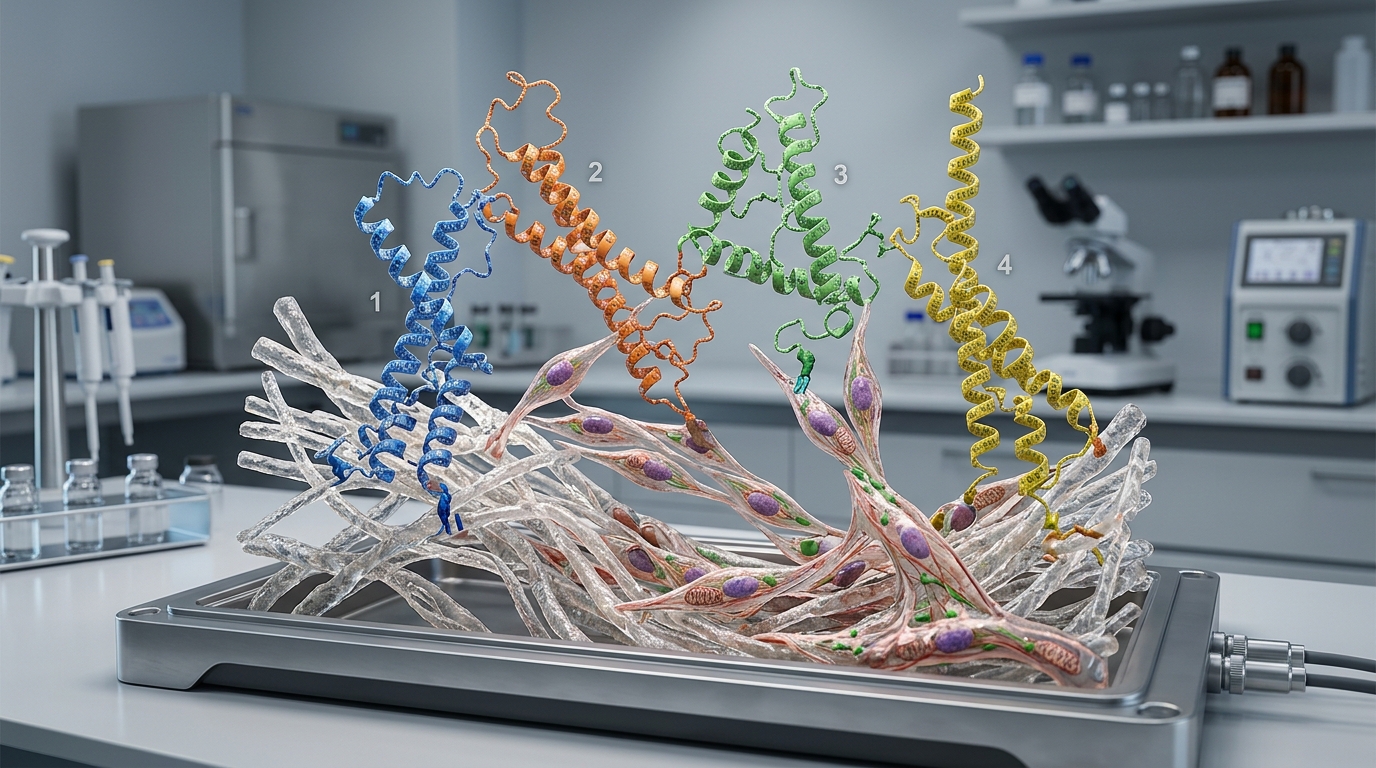
The KLOW peptide stack combines GHK-Cu, BPC-157, TB-500, and KPV to target tissue repair across complementary pathways. This evidence-based review analyzes
The KLOW peptide stack combines GHK-Cu, BPC-157, TB-500, and KPV to target tissue repair across complementary pathways. This evidence-based review analyzes
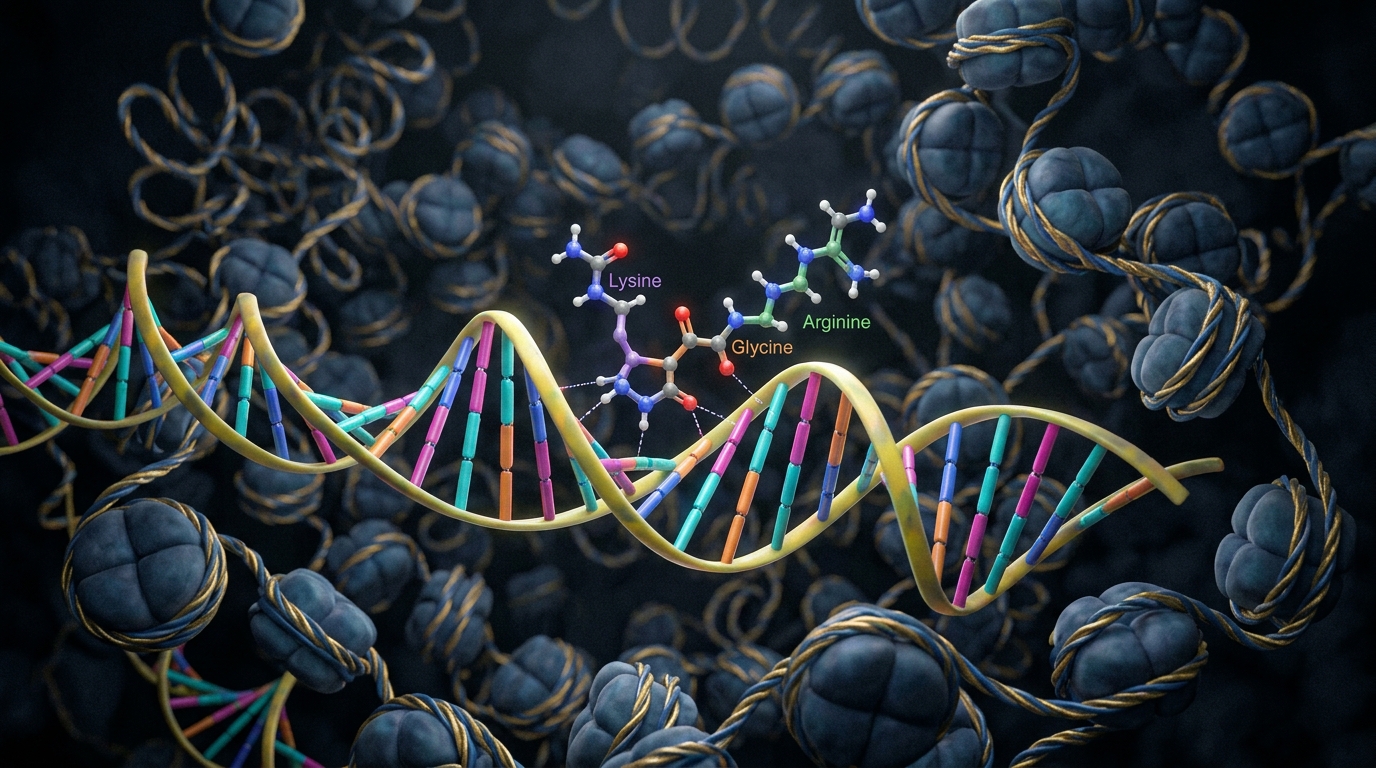
Pinealon is a synthetic tripeptide studied for its hypothesized epigenetic modulation of neuronal gene expression and neuroprotection. While preclinical mo
Read more Pinealon: Preclinical Evidence, Gene Expression, and Research Limitations
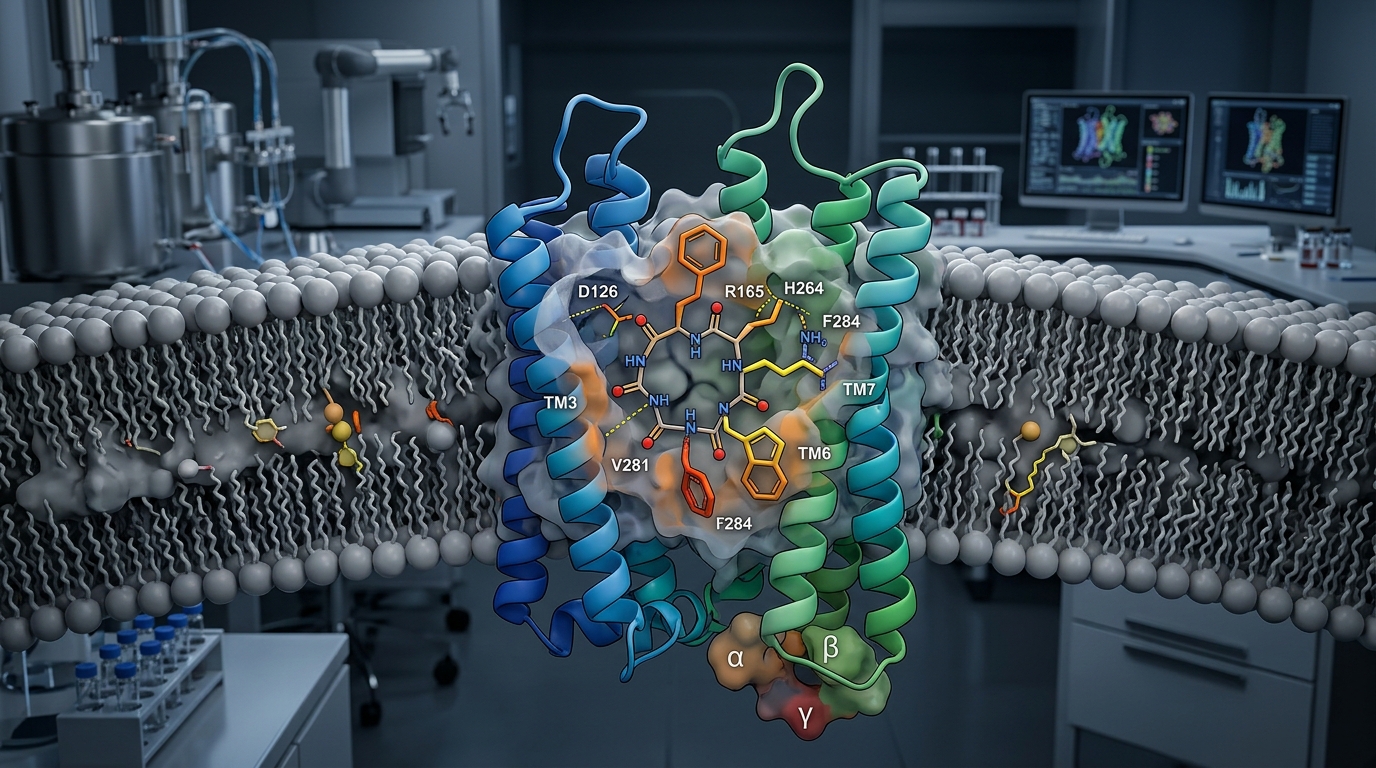
A scientific review of PT-141 clinical trials, detailing bremelanotide’s efficacy outcomes in Phase 3 RECONNECT studies, safety and blood pressure profiles
Read more PT-141 Clinical Trials: Efficacy, Safety Findings, and Regulatory History
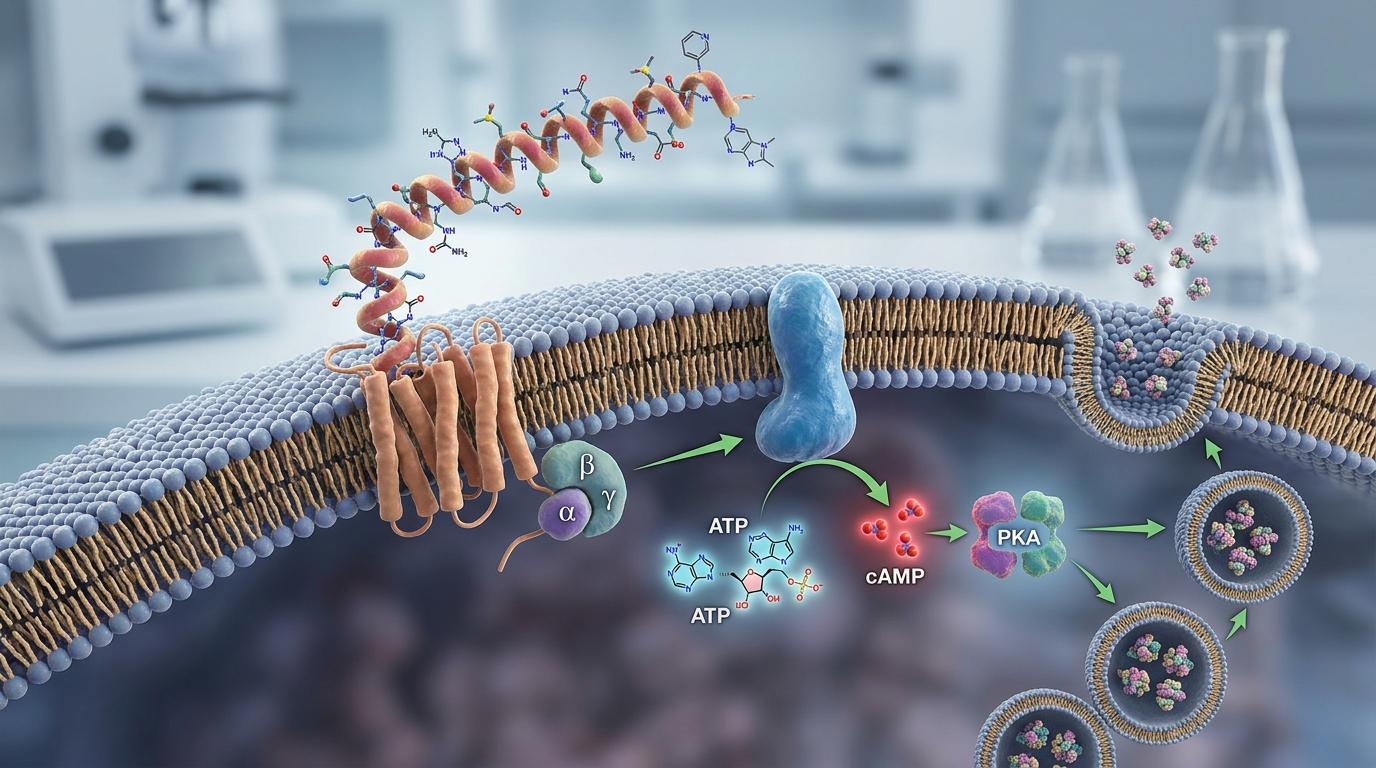
Sermorelin is a synthetic 29-amino-acid peptide analog of growth hormone-releasing hormone. This scientific review explores its interaction with pituitary
Read more Sermorelin and Pituitary Dynamics: Physiological Feedback and Endocrine Research

Preclinical research on BPC-157 indicates potential for accelerating tendon, ligament, bone, and muscle repair in animal models. However, rigorous human cl
Read more BPC-157 and Musculoskeletal Healing: What the Research Shows
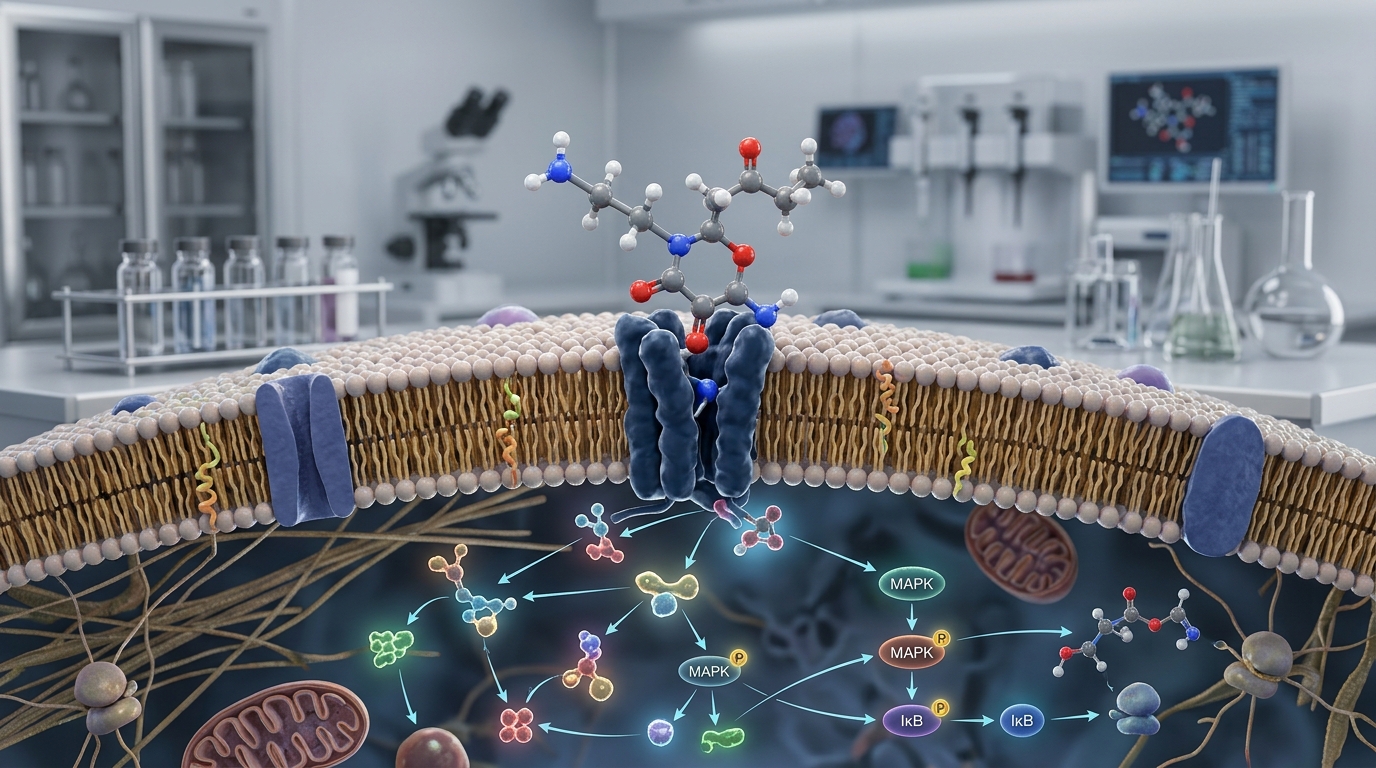
KPV is a tripeptide derived from alpha-MSH that exhibits distinct anti-inflammatory properties. Unlike its parent hormone, KPV modulates inflammatory signa
Read more KPV and Melanocortin Signaling: Mechanistic Divergence and Current Research
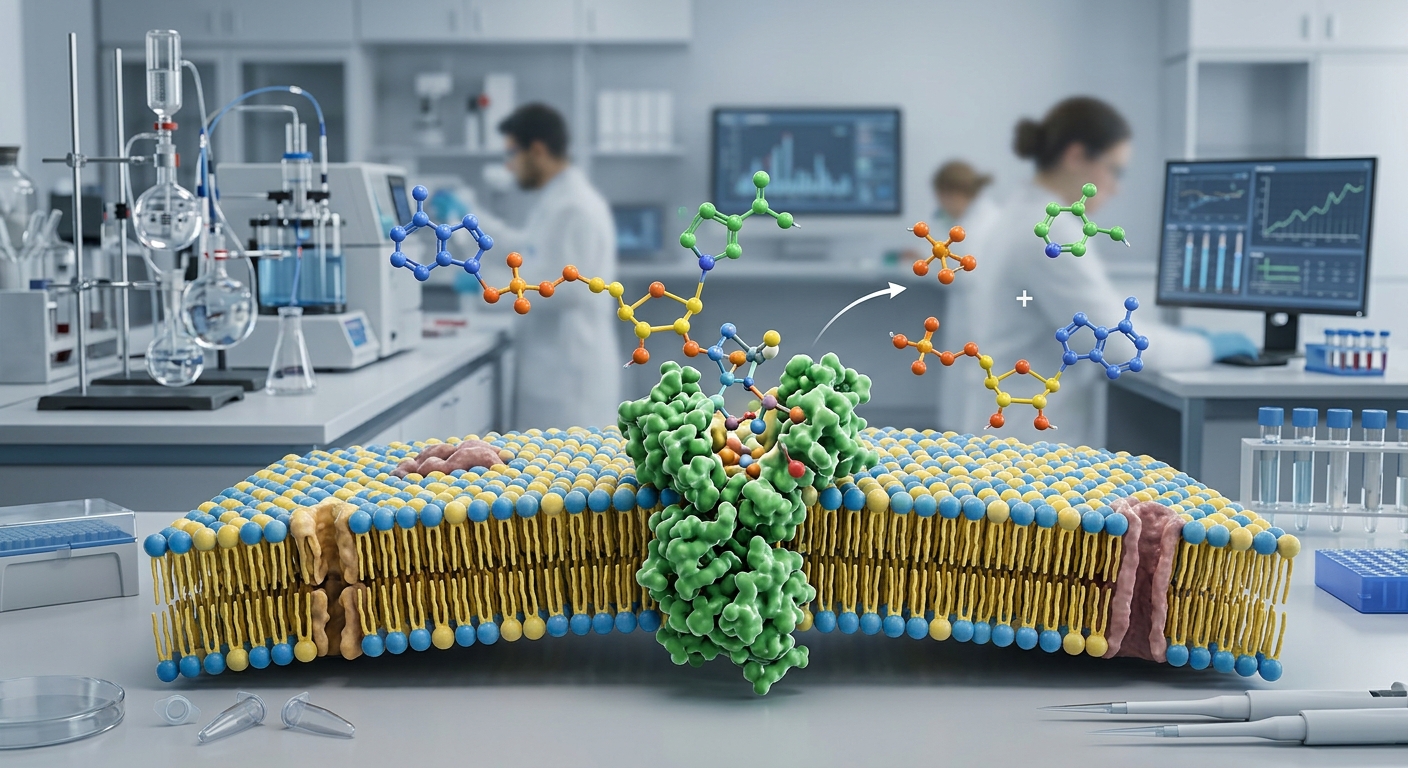
Nicotinamide adenine dinucleotide (NAD+) is central to cellular bioenergetics, but its exogenous bioavailability is governed by complex enzymatic degradati
Read more NAD+ Bioavailability and Metabolism: What Current Research Shows

The Wolverine peptide stack combines BPC-157 and TB-500, two research peptides promoted for tissue repair. While preclinical rodent studies show promising
Read more The Wolverine Peptide Stack: Myths vs. Scientific Evidence
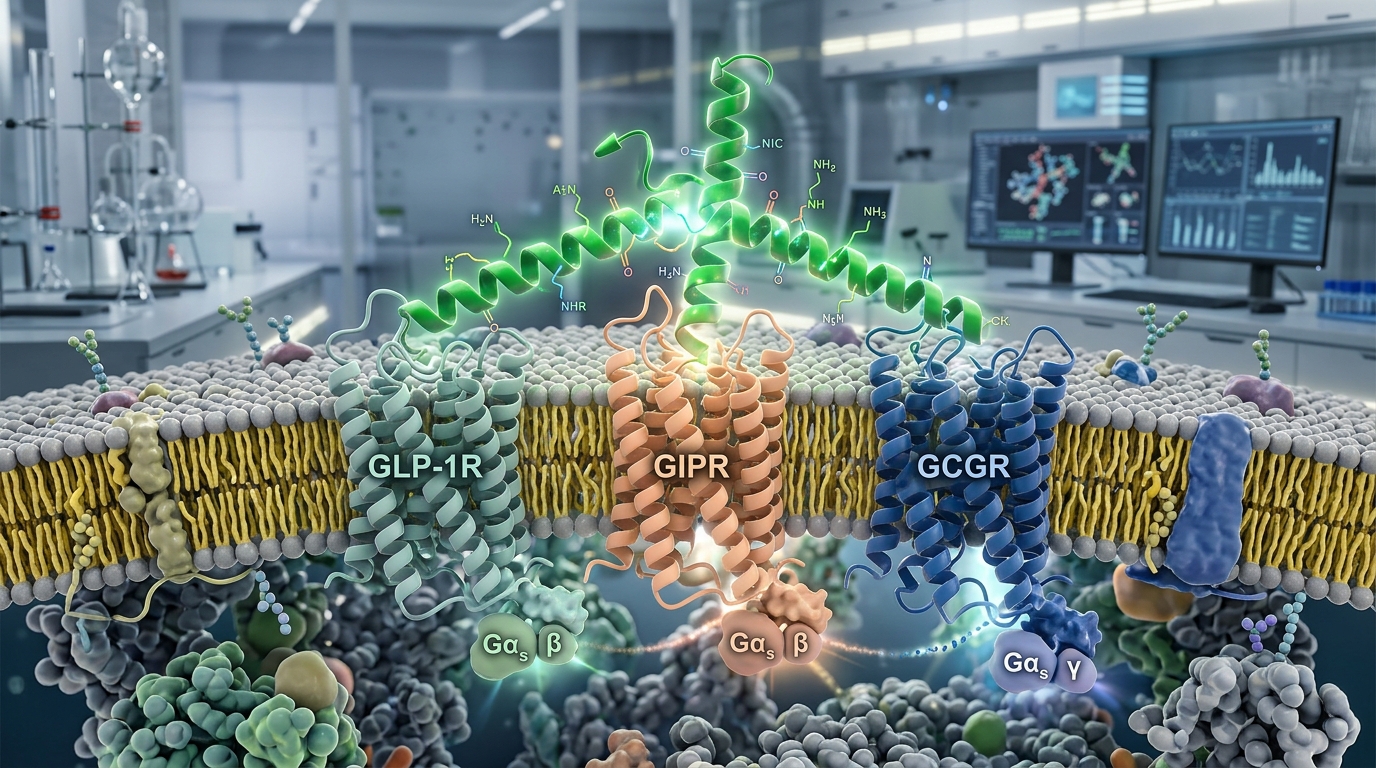
This comparative review examines retatrutide and tirzepatide, evaluating how retatrutide’s triple-receptor agonism (GLP-1, GIP, and glucagon) differs mecha
Read more Retatrutide vs. Tirzepatide: How Triple Agonism Compares to Dual Agonism

PE-22-28 is a synthetic heptapeptide derived from spadin that selectively inhibits TREK-1 potassium channels. In rodent models, it accelerates hippocampal
Read more PE-22-28 and Neuroplasticity: Preclinical Evidence, Mechanisms, and Limitations